
Tumble Dryer Maintenance
Tumble Dryer Maintenance Services in Nairobi: Why Regular Care Saves You Money A tumble dryer is one of…
Read more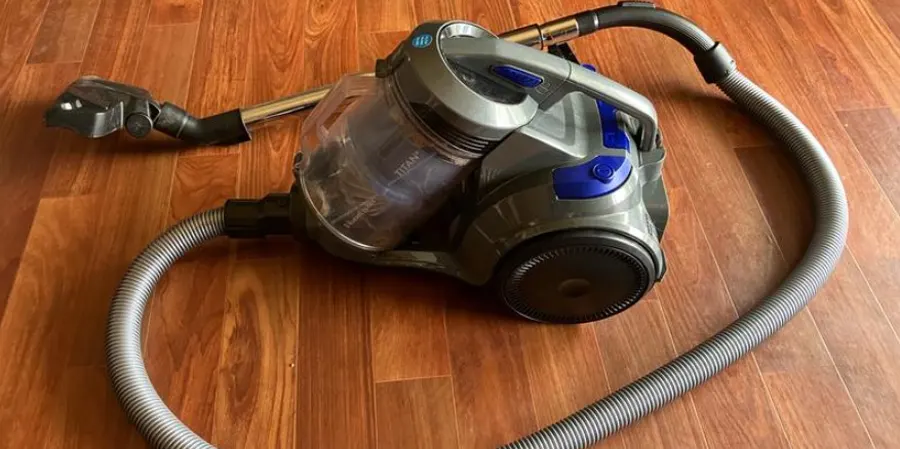
By Nairobi Repair Center
A vacuum cleaner is designed to make cleaning faster and more efficient. However, regular use exposes it to dust, hair, dirt, moisture, and other debris that can gradually affect its performance. Without proper care, a vacuum cleaner may begin to lose suction, overheat, produce unusual sounds, develop unpleasant smells, or fail to start.
Nairobi Repair Center provides professional vacuum cleaner maintenance services in Nairobi, helping households, offices, hotels, commercial premises, cleaning companies, and other users keep their vacuum cleaners operating efficiently. The service combines inspection, cleaning, adjustment, component checks, and replacement of worn parts where necessary.
Regular maintenance is particularly important for vacuum cleaners used frequently, as blocked filters, clogged hoses, and overloaded dust containers can place additional strain on the motor.
Vacuum cleaner maintenance is the routine inspection, cleaning, servicing, and adjustment of a vacuum cleaner to keep it functioning properly. Unlike emergency repair, maintenance is primarily preventive. The objective is to identify developing problems before they become major failures.
A professional technician can:
Nairobi Repair Center offers vacuum cleaner services across Nairobi, including professional technician visits and repair support.
The exact maintenance procedure depends on the type and model of the vacuum cleaner. Upright, canister, cordless, robotic, wet-and-dry, and commercial vacuum cleaners have different components and maintenance requirements.
| Maintenance Activity | What Is Done | Main Benefit |
|---|---|---|
| Dust Bin Cleaning | Emptying and thoroughly cleaning the dust container | Maintains airflow and prevents odors |
| Vacuum Bag Inspection | Checking, replacing, or correctly fitting the dust bag | Prevents restricted airflow |
| Filter Cleaning | Removing accumulated dust according to manufacturer instructions | Supports efficient filtration and suction |
| Filter Replacement | Replacing damaged or excessively worn filters | Restores filtration efficiency |
| Brush Roll Cleaning | Removing hair, thread, fibers, and debris | Allows the brush to rotate properly |
| Belt Inspection | Checking belts for stretching, cracking, or wear | Helps maintain brush-roll operation |
| Hose Cleaning | Checking and clearing blockages inside the hose | Restores airflow |
| Wand & Attachment Check | Inspecting tubes, nozzles, and accessories | Ensures unrestricted airflow |
| Motor Inspection | Checking motor operation, ventilation, and unusual sounds | Helps identify developing motor problems |
| Electrical Inspection | Checking switches, cables, plugs, and connections | Improves operating safety |
| Wheel Inspection | Checking wheels and moving mechanisms | Ensures smooth movement |
| Seal Inspection | Checking seals and connections for air leaks | Helps maintain suction |
| Ventilation Cleaning | Removing accumulated dust around ventilation areas | Reduces overheating risk |
| Performance Testing | Testing suction, operation, and controls after servicing | Confirms proper operation |
The filter is one of the most important components of a vacuum cleaner. As the appliance collects dust, fine particles can accumulate on the filter and restrict airflow.
During maintenance, the technician checks the type and condition of the filter. Depending on the manufacturer's instructions, a filter may be cleaned, washed, dried, or replaced.
Note: Filters should not automatically be washed simply because they appear dirty. Some filters are designed for washing, while others must be replaced. Following the manufacturer's instructions is therefore important.
A vacuum cleaner with an overloaded dust container or full bag may experience reduced airflow and weaker suction.
Professional maintenance includes:
For bagged vacuum cleaners, the technician can inspect the bag and its mounting system to ensure it is properly fitted.
Hair, string, carpet fibers, and other materials can become wrapped around the brush roll, increasing resistance and preventing the brush from rotating correctly.
A technician removes accumulated debris and checks the brush roll for damage. Where necessary, worn brush components can be replaced.
Brush-roll maintenance is especially important for vacuum cleaners used on carpets, rugs, and areas with substantial hair or fiber accumulation.
Reduced suction does not necessarily mean the motor has failed. A blockage in the hose, floor head, wand, filter, or another part of the airflow system can produce similar symptoms.
A professional vacuum cleaner maintenance service checks the complete airflow route for:
If the hose has a blockage, it can be cleared. If it is cracked or damaged and allowing air to escape, replacement may be recommended.
The motor is the main power-producing component of most conventional vacuum cleaners. Restricted airflow can cause the motor to work harder and may contribute to overheating.
During professional maintenance, the technician:
If the vacuum cleaner repeatedly shuts down due to overheating, the problem should be investigated rather than repeatedly restarting the appliance. Persistent overheating can indicate an airflow restriction or a component fault.
Vacuum cleaners contain electrical components that require periodic inspection, particularly when the appliance is heavily used.
Maintenance can include checking:
Warning: Damaged electrical cables should not be ignored. Continuing to operate an appliance with damaged electrical components can create safety risks.
Some vacuum cleaners use belts to transfer motor power to the brush roll. Over time, belts may stretch, crack, or break.
A maintenance technician can inspect the belt and related moving components and replace worn parts when necessary.
Note: Not every modern vacuum uses the same belt arrangement, so maintenance should be carried out according to the particular model's design.
Professional maintenance can be adapted to different vacuum cleaner designs:
Regular maintenance can help identify problems before they result in expensive repairs. Common warning signs include:
Reduced suction can have several possible causes, including clogged filters, blocked hoses, leaks, or motor problems. Professional diagnosis can be useful when basic cleaning does not solve the issue.
The ideal maintenance interval depends on usage, environment, and vacuum type.
As a practical approach, users should:
Some Nairobi vacuum service providers recommend professional maintenance approximately every three to six months, depending on usage frequency.
A technician can recommend an appropriate schedule after considering how frequently the appliance is used and the type of material it normally collects.
Nairobi Repair Center provides appliance service support for customers requiring professional vacuum cleaner assistance in Nairobi and surrounding areas. Its published service information indicates the availability of:
Professional servicing can be particularly useful when a vacuum cleaner has a recurring fault that ordinary cleaning does not resolve. Instead of replacing the entire machine, a technician can inspect the appliance and determine whether the problem can be corrected through cleaning, adjustment, component replacement, or repair.
The appropriate interval depends on usage. Regularly used household and commercial vacuum cleaners benefit from more frequent maintenance. A professional technician can recommend a suitable schedule based on the machine and workload.
Reduced suction may result from a full dust container, blocked hose, dirty filter, clogged floor head, damaged seal, or mechanical problem. A complete airflow inspection can help identify the actual cause.
Some filters are washable, while others are designed for replacement. The filter should only be washed when the manufacturer's instructions specifically allow it.
Overheating can be associated with restricted airflow, blocked filters, clogged hoses, excessive dust accumulation, motor problems, or other mechanical faults. Repeated overheating should be professionally investigated.
Yes. Brush-roll cleaning is an important maintenance activity. Hair, thread, and other debris can become wrapped around the roller and interfere with its operation.
In many cases, yes. A technician first determines whether the problem is caused by a blockage, filter, seal, brush, hose, motor, or another component before recommending the appropriate solution.
Yes. Cordless models require filter, brush, dust-bin, and airflow maintenance, as well as inspection of batteries and charging components.
It is particularly useful for commercial machines because frequent operation can cause faster accumulation of dust and greater wear on filters, brushes, hoses, and moving components.
The decision depends on the age and condition of the appliance, the nature of the fault, availability of spare parts, and repair cost. A professional diagnosis can help determine whether repair is economically sensible.
Nairobi Repair Center provides professional vacuum cleaner repair and maintenance support in Nairobi. Customers can contact the center to arrange an assessment and determine the appropriate maintenance or repair service.
Regular vacuum cleaner maintenance service can help:
Simple practices such as emptying dust containers, checking filters, clearing brush rolls, and inspecting hoses should be combined with professional servicing when the appliance develops persistent performance problems.
For professional vacuum cleaner maintenance and repair in Nairobi, contact Nairobi Repair Center:
Services: Vacuum Cleaner Repair, Maintenance & Appliance Services in Nairobi
Need this sorted today? A technician can be with you the same day, most areas of Nairobi.
Ready when you are
Tell us the brand, the fault and your location — we'll confirm a visit the same day, most areas of Nairobi.
Available 7 days a week · on-site home and business visits