Microwave Waveguide Cover: Purpose and Price in Nairobi – 0746801984

The microwave waveguide cover is a thin mica sheet positioned above the magnetron that directs microwaves into the cooking chamber while blocking grease, debris, and food splatter from damaging critical components. This inexpensive barrier maintains waveguide integrity, preventing arcing, sparks, or uneven heating that could lead to costly magnetron failure in Nairobi households reliant on daily appliance use. nairobirepair.co.ke offers quick replacements via 0746801984, restoring safe operation same-day across the city.

Critical Role in Microwave Safety

Mica’s heat-resistant, microwave-transparent properties allow 2.45GHz waves to pass through unimpeded from the magnetron tube to the oven cavity, ensuring uniform energy distribution for even cooking. Positioned at the waveguide entry (ceiling or side), it shields the metal channel from corrosive splashes—steam, oils, or sauces—that erode surfaces, causing shorts. Without it, microwaves reflect back, sparking fires or blowing fuses, a frequent issue in Kenya’s humid kitchens where curry vapors accelerate degradation.

Arcing appears as bright flashes or popping sounds during runs, often misdiagnosed as magnetron death until cover inspection reveals cracks or burn holes. Replacement extends appliance life by 2-3 years, far cheaper than KSh 5,000+ magnetron swaps.

Failure Signs and Causes

Burnt edges, discoloration, or perforations signal wear after 1-2 years, worsened by Nairobi’s dust clogging vents and power fluctuations stressing components. Grease buildup warps the fragile 0.2mm sheet (typically 11.6×6.5cm), leading to plasma discharges that halt heating. Spills from boiling ugali or stews penetrate seams, inviting pests or mold in humid conditions. Early signs: erratic heating, turntable pauses, or error beeps on digital models like LG or Samsung.

Pricing and Availability in Nairobi

Local shops and online platforms stock universal mica sheets fitting 95% of models, with nairobirepair.co.ke bundling installation.

Item Description Price Range (KSh) Brands Notes
Universal Mica Sheet 11.6×6.5cm, single 200-500 All (Ramtons, LG) Jumia/Facebook; 5-pack 1,000
OEM Waveguide Cover Model-specific, thicker 500-1,200 Samsung, Whirlpool Exact fit, longer life
Repair Kit Cover + cleaner + gloves 800-1,500 GE, Panasonic Includes tools
Pro Installation Parts + labor 1,000-2,500 total Any 30 mins, 6-month warranty
Full Waveguide Service Cover + clean + test 2,000-3,500 Built-ins Same-day, no call-out fee

Prices undercut imports; generics perform identically for household use. nairobirepair.co.ke sources via 0746801984, beating Jumia delivery delays.

Simple Replacement Process

Unplug unit, remove grill/cover screws (4-6 typically), lift old sheet—peel if stuck, clean waveguide with microwave-safe degreaser. Cut new mica to match holes, secure with clips or adhesive. Test empty for 2 minutes watching for sparks. No high-voltage risk, unlike magnetron work, making it DIY-friendly but pros ensure seals. In 15 minutes, functionality returns.

Maintenance for Longevity

Wipe spills instantly, run lemon water monthly to steam-clean residue, and avoid metal utensils scraping the surface. Surge protectors mitigate grid spikes that indirectly stress covers via overheating. Annual inspections spot micro-cracks, preventing 80% of escalation to major repairs in Nairobi’s variable climate.

nairobirepair.co.ke Advantages

Expertise spans all brands, from basic Ramtons to premium LG, with transparent quotes and Westlands-to-Eastlands coverage. Dial 0746801984 for free diagnosis—prevent small issues from becoming KSh 10,000 headaches. Reliable waveguide fixes keep your microwave sparking-free and efficient.
Common signs turntable support needs replacement

Common signs that a microwave turntable support (coupler or roller guide) needs replacement include the plate stopping mid-cycle, visible cracks or worn teeth on the plastic component, and grinding noises during operation.

Mechanical Failure Indicators

The most obvious sign is a completely stopped or erratic turntable—food cooks unevenly with hot edges and cold centers because heat distribution fails. Wobbling or tilting occurs when teeth (usually 3-6 prongs) strip from friction, especially under heavy pots common in Nairobi households. Inspect by removing the glass plate: if the white plastic coupler at the center shaft looks melted, chipped, or doesn’t grip smoothly by hand, it’s failing.

Audible and Performance Clues

Grinding, clicking, or humming from the base signals gear slippage as the coupler loses traction with the motor drive, often after spills harden inside teeth. The microwave runs but the plate barely moves, mimicking a burnt-out motor—90% of cases trace to this KSh 500-1,500 part. Vibrations shake the unit excessively, risking further damage to rollers or the glass tray.

Visual Wear Patterns

Cracks radiate from stress points after 2-3 years, accelerated by Nairobi’s humidity softening nylon material. Discoloration (yellowing/browning) or deformation from heat (over 150°C) warps the shape, preventing full rotation. Spilled food residue jams it solid; loose fragments inside confirm breakage. Compare to new: originals have precise 24-30mm shaft fits.

Signs Comparison Table

Sign Category Specific Symptom Severity Level Fix Urgency
Motion Issues No rotation/stopped plate High Immediate—uneven cooking
Motion Issues Wobbling/slow spin Medium Within days—motor strain
Noise Alerts Grinding/clicking sounds High Prompt—gear damage risk
Noise Alerts Humming without motion Medium Check soon—possible motor
Visual Damage Cracks/chips on teeth High Replace now—safety hazard
Visual Damage Melted/yellowed plastic Medium Seasonal maintenance
Performance Uneven heating/cold spots High Daily use affected

Nairobi-Specific Context

In Kenya’s variable power grid, surges jolt couplers loose faster; symptoms mimic fuse issues but unplugging reveals the real culprit. Test by manually twisting: resistance without binding means good; free-spinning or stuck spells replacement. nairobirepair.co.ke (0746801984) diagnoses free on-site, swapping universals for LG/Samsung/Ramtons at KSh 1,500 total, same-day from Westlands to Eastlands.

Quick Diagnostic Steps

Unplug, lift plate, tug coupler gently—if it pops off easily or teeth are rounded, replace. Clean shaft first (alcohol wipe), but persistent slip confirms wear. Avoid running empty to test; high voltage persists briefly. Pros like nairobirepair.co.ke ensure no motor burnout follows, backed by 6-month warranty. Early spotting saves KSh 3,000+ on full assemblies.

Microwave Turntable Support/Coupler: Purpose and Price in Nairobi – 0746801984

The microwave turntable support, also known as the coupler or roller guide, ensures even cooking by rotating the glass plate, distributing heat uniformly across food to prevent cold spots. Located at the oven base, it connects the turntable motor to the drive shaft, absorbing stress from uneven loads or thermal expansion. In Nairobi homes, wear from heavy use or spills cracks these plastic components, halting rotation and disrupting meals—nairobirepair.co.ke fixes this via 0746801984 with same-day service.

Essential Purpose in Microwave Operation

This small but critical part grips the turntable’s three-pronged base, meshing with the motor gear below for smooth 360-degree spins at 6 RPM. High-temperature nylon construction resists 150°C heat and microwave radiation, unlike cheap plastics that warp. Without it, food cooks unevenly—edges burn while centers stay raw—wasting energy in Kenya’s costly electricity grid. It also stabilizes heavy dishes up to 5kg, reducing motor strain and extending appliance life by 20-30%.

Symptoms of failure include a stopped plate, grinding noises, or wobbling during runs, often after 2-3 years in busy Nairobi kitchens. Spilled soups crystallize inside, jamming teeth; motor overload follows.

Common Failure Causes in Kenyan Homes

Moisture from steam condenses on the coupler, softening material over time, while power surges jolt gears loose. Nairobi’s humid climate accelerates cracking in non-OEM parts, especially Ramtons or generic imports. Overloading with large pots shears teeth, mimicking motor death. Unlike metal shafts, plastic couplers wear silently until total stoppage.

Replacement Prices in Nairobi

nairobirepair.co.ke stocks universals fitting 90% of models (LG, Samsung, Whirlpool), with labor included. Prices reflect part quality and brand specificity.

Component Description Price Range (KSh) Brands Installation Time
Basic Coupler 3-tooth plastic drive, 24mm shaft 500-1,200 Ramtons, Generic 20 mins
OEM Support Ring Roller guide + coupler set 1,000-2,500 LG, Samsung 30 mins
Heavy-Duty Kit Reinforced nylon, motor-compatible 1,500-3,000 Whirlpool, GE 45 mins
Full Turntable Assembly Plate + coupler + ring 2,500-5,000 All 1 hour
Service Call + Parts Diagnosis to fix 1,500-4,000 total Any Same-day

Costs beat Jumia markups (KSh 2,000+ delivery), with 6-month warranties. Labor: KSh 500-1,000 extra for built-ins.

Step-by-Step Replacement Guide

Unplug first. Remove glass plate, lift old coupler (twist counterclockwise if stuck), clean shaft residue with alcohol. Snap new one on—match tooth count (usually 3 or 6). Test rotation empty for 30 seconds. Pros discharge capacitors for safety; DIY skips voids insurance. nairobirepair.co.ke handles tricky extractions in 20 minutes.

Prevention and Maintenance Tips

Wipe spills immediately, avoid metal objects scraping teeth, and run monthly with water cup for lubrication. Surge protectors shield motors from KPLC fluctuations. Upgrade to glass-reinforced couplers for 50% longer life in Nairobi’s variable conditions. Annual checks spot wear early.

Why nairobirepair.co.ke for Nairobi Fixes

Serving Westlands to Eastlands, they source exact-fit parts overnight, diagnosing via 0746801984 hotline. Transparent pricing, no call-out fees within CBD, and expertise across 20+ brands ensure reliability. Restore smooth turns and even heating—call now for hassle-free service that keeps your kitchen efficient.

Microwave Turntable Plate: Purpose and Price in Nairobi – 0746801984

The microwave turntable plate, a rotating glass tray at the base of most microwaves, ensures even heat distribution by continuously spinning food during cooking cycles. Essential for countertop models in Nairobi homes, it prevents hot spots and cold patches in meals like ugali reheats or defrosted nyama choma, directly impacting cooking efficiency. nairobirepair.co.ke offers replacements and repairs via 0746801984, sourcing size-specific plates for same-day service across Nairobi County.

Core Purpose and Functionality

The turntable plate rests on a roller ring and couples to a motor below, rotating at 4-6 RPM synchronized with microwave emission at 2.45 GHz. This motion exposes all food surfaces equally to electromagnetic waves, mimicking a manual turn for uniform molecular agitation and heating. Without it, stationary dishes overcook edges while centers stay raw—critical in Kenya’s high-use kitchens for quick family meals.

Glass composition (tempered borosilicate) withstands 300-500°C thermal shocks, resists stains from oils or spices, and cleans easily under running water. It also shields internal components like the waveguide cover from splatters, extending magnetron life by 20-30% through reduced debris buildup.

Common Issues Leading to Replacement

Cracks from thermal stress (sudden hot-to-cold shifts), drops during cleaning, or manufacturing flaws cause most failures after 2-4 years. Nairobi’s hard water etches surfaces over time, weakening integrity, while overloaded plates (e.g., heavy pots) snap under torque. Symptoms include wobbling, screeching noises from misaligned rollers, or halted rotation stalling cooking mid-cycle.

Non-turntable “flatbed” microwaves exist but comprise under 10% of local sales; most LG, Samsung, Ramtons units demand exact diameter matches (255-320mm common).

Price Comparison Table in Nairobi

Brand/Model Size Part Only (KSh) Full Replacement (incl. Labor) Source Notes
Universal 255mm (Ramtons/Samsung) 1,500-2,800 2,500-4,000 Jumia/Instagram deals; fits 20L models
LG MS114/MS253 (270mm) 2,000-3,500 3,000-5,000 nairobirepair.co.ke stock; OEM quality
Whirlpool/GE 290-310mm 2,500-4,000 3,500-6,000 Repair shops; heavy-duty tempered
Sharp/Panasonic 320mm 3,000-4,500 4,000-6,500 Larger trays for 30L+; premium glass
Roller Ring Support (All) 300-800 1,000-2,000 Often bundled; plastic wear item

Prices reflect 2026 Nairobi market: Jumia discounts hit 20-50% (e.g., KSh 1,897 for generics), while nairobirepair.co.ke adds KSh 1,000-1,500 labor with 6-month warranties. Bulk suppliers undercut retail by 15-20%.

Replacement Process Explained

Diagnosis starts free or KSh 500 at-home: measure diameter (door label confirms), inspect motor coupling. Techs unplug, remove old plate by lifting (no screws usually), clean grease from spindle, fit new one ensuring level seating. Motor tests follow for smooth 360° spins—total time 20-45 minutes. DIY risks glass shards or misalignment; pros handle Nairobi traffic for Eastlands to Westlands calls via 0746801984.

Maintenance for Longevity

Hand-wash only (no dishwasher abrasion), cool fully before stacking, and avoid metal racks that chip edges. Lubricate roller rings yearly with silicone spray (KSh 300). Pair with surge protectors against KPLC fluctuations preserving plate-motor synergy.

Why nairobirepair.co.ke Excels

Serving 5,000+ fixes yearly, they stock universals and brand-specifics, beating Jumia delivery waits with on-site installs. Transparent pricing, 30-day guarantees, and expertise in turntable motors (KSh 2,000-4,000 extra if needed) make them top choice. Dial 0746801984 for quotes—restore even cooking hassle-free in your Nairobi kitchen today.

Universal Microwave Oven Spare Parts: Parts Can Be Used in More Than One Microwave

Universal microwave spare parts offer cost-effective solutions for repairs across brands, fitting multiple models where dimensions, voltage, and function align despite manufacturer differences. These components bypass OEM exclusivity, ideal for Nairobi households with mixed appliances like LG, Samsung, or Ramtons.

What Makes Parts Universal

Universal parts succeed through standardized specs: shared dimensions (e.g., turntable diameters), voltage tolerances (AC 220-240V Kenya grid), and safety ratings (IEC 60335 compliance). Mechanical fits like mounting holes or couplers dominate interchangeability, unlike electronic cores tuned to proprietary circuits. In repairs, 60-70% of fixes use universals for non-critical functions, slashing costs 30-50% vs. branded equivalents.

Interchangeable Mechanical Parts

Turntables, supports, and waveguide covers top the list—purely physical with flexible sizing. A 245-270mm glass plate slots into most countertops from Sharp to Panasonic if roller distance matches 9cm. Waveguide covers (mica sheets, 200x125mm) cut-to-fit block splatter universally, preventing magnetron damage. Light bulbs (T170 20W) and fuses (15A ceramic) swap freely across 90% of units.

Door latches and interlock switches pose moderate universality: Type A/B/C switches (microswitches) fit Samsung, LG, and Whirlpool if plunger length aligns, monitored via multimeter for 0.5-ohm continuity.

Electrical Components with Caveats

Fuses shine brightest—5KV/0.7A high-voltage types (DE91-70061C) serve Samsung, Viva, and generics, exact rating mandatory for fire safety. Thermal fuses (10A/250V) reset or replace across brands at identical temps (145°C-165°C). Capacitors (2100V 0.98µF) interchange within 10% tolerance, but HV diodes (12kV 0.5A) demand peak inverse voltage matches to avoid arcing.

Motors—stirrer (3-5W AC) and turntable (2-4RPM)—fit 80% if shaft diameter (5-6mm) and voltage sync, spinning trays or distributing waves evenly.

Non-Universal Core Parts

Magnetrons, transformers, and control boards resist swaps. LG LM1200 (2.45GHz, 4kV) mismatches Samsung 2M214 pins; transformers vary 2,100V outputs. PCBs encode brand firmware, risking shorts. Radiation safety demands OEM precision here.

Universal Parts Compatibility Table

Part Type Brands/Models Compatible Key Specs for Fit Availability Nairobi (KSh) Notes
Turntable Plate (245-270mm) LG MS-series, Samsung, Ramtons, Whirlpool, Sharp Glass/9cm roller distance 800-1,500 Cut edges if needed; 95% fit rate
Turntable Support/Coupler Most countertops (GE, Panasonic, Toshiba) Plastic, 9cm fixing hole 300-700 Universal 3-prong; check height
Waveguide Cover (Mica) All brands; 200x125mm pack Cut-to-size, 1-2mm thick 200-500 (x5) Prevents arcing; replace yearly
Light Bulb (T170 20W) Samsung, LG, Whirlpool E17 base, 240V 150-400 Halogen; avoid LED mismatch
HV Fuse (5KV/0.7A) Samsung, Viva, generics Ceramic, exact amp 500-900 Safety critical; no substitutes
Thermal Fuse (145°C) LG, GE, Sharp 10A/250V, auto-reset options 200-500 Grid surge protection
Turntable Motor (2-4RPM) Panasonic, Ramtons, multi AC 220V, 5mm shaft 800-1,500 Direction reversible
Door Interlock Switch Samsung/LG Type B/C 0.5Ω, plunger 15mm 400-800 Test all 3 switches
HV Capacitor (2100V) Whirlpool, some LG 0.98µF ±10% 1,200-2,500 Discharge first; tolerance key
Stirrer Motor (3W) GE, Toshiba equivalents AC sync, blade fit 1,000-2,000 Wave distribution

Prices from Jumia Kenya/Chania; nairobirepair.co.ke stocks most via 0746801984.

This control board example shows universal PCB potential, but firmware limits full swaps—focus on mechanicals for reliability.

Sourcing Universals in Nairobi

Jumia Kenya delivers next-day from KSh 200 (waveguides) to KSh 2,500 (capacitors), with Lenuka markets offering bulk. Repair hubs like Bestcare or nairobirepair.co.ke test-fit before install, adding KSh 500-1,500 labor. Verify via model label (e.g., LG MS114) against supplier charts—mismatches void safety.

Installation Best Practices

Unplug/discharge HV (4,000V risk) before swaps. Mechanicals need no tools beyond screwdrivers; electricals require soldering iron (60W) and multimeter (continuity/voltage). Test post-repair: run water load 1min, check even heat/no leaks. Pros handle 1-2hr jobs, guaranteeing 3-6 months.

Risks of Poor Interchangeability

Oversized turntables jam; mismatched fuses blow instantly, risking fires in Nairobi’s surges. Weak waveguides arc magnetrons (KSh 3,000 loss); subpar motors vibrate controls loose. Always match specs over “universal” labels—cheap imports fail 20% faster.

Cost Savings and Longevity Tips

Universals cut repair bills 40% (KSh 1,000 vs. 2,500 OEM turntable). Pair with surge protectors (KSh 1,000) for Kenya grid; clean vents monthly. Annual checks spot wear early, extending life 2-3 years. nairobirepair.co.ke bundles universals for LG/Samsung/Ramtons, same-day Westlands-Eastlands service via 0746801984—reliable fixes without brand lock-in.

Advanced Universal Options

Generic HV kits (cap/diode/fuse) suit 70% repairs; Chinese 2M-series magnetrons claim broad fit but test output (800W min). Inverter boards emerging as semi-universal for LG/Samsung, but verify PWM signals. Nairobi techs adapt 10-20% cases with wiring tweaks, balancing cost vs. OEM reliability.

For precise fits, cross-reference service manuals or consult nairobirepair.co.ke. Universals democratize repairs, keeping Nairobi kitchens efficient amid rising appliance costs.

Compatibility of LG LM1200 magnetron with other microwaves

The LG LM1200 magnetron is not universally compatible with other microwave brands or even all LG models due to specific electrical, physical, and performance specs.

Key Specifications of LG LM1200

Designed for LG countertop models around 1,000-1,200W output, the LM1200 operates at 2,450 MHz frequency, with filament voltage of 3.3V and anode high voltage near 4,000V DC. Its dimensions (approx. 140x75x85mm) and mounting holes, plus cooling fin layout, match LG MS-series like MS114 or MS253 but require exact part cross-referencing (e.g., prefixes 2M248 or similar). Inverter variants demand matching boards, ruling out standard magnetrons.

Compatibility Within LG Models

Fits select LG units like LMV1680, MS25CB, or equivalents if power ratings align—always check the door label model number against LG service sheets. Tools like LG’s compatibility checker confirm swaps within 800-1,200W non-inverter lines, but convection/grill combos need specialized versions. Mismatched voltage risks transformer overload or weak heating.

Cross-Brand Compatibility Issues

Direct swaps into non-LG microwaves (Samsung, Whirlpool, GE, Ramtons) fail 90% of the time: different terminal connectors (e.g., Samsung’s 2M214 has unique pins), airflow paths, or power draw cause arcing, shorts, or FCC non-compliance. Whirlpool’s W10422269 equivalents share 2.45GHz but differ in filament current; GE WB27X10924 needs custom adapters rarely viable. Nairobi repair shops like nairobirepair.co.ke (0746801984) test-fit generics but advise OEM for safety, as mismatches void warranties and spark fires.

Comparison Table: LM1200 vs Common Alternatives

Magnetron Model Brands Power (W) Dimensions (mm) Voltage (Filament) Cross-Compatible?
LG LM1200/2M248 LG MS-series 1,000-1,200 140x75x85 3.3V LG only; partial inverter no
Samsung 2M214 Samsung/Ramtons 1,000 135x72x82 3.15V No—pin mismatch
Whirlpool MS1500 Whirlpool/GE 1,100 145x80x90 3.5V No—mounting holes differ
Universal Generic Multi 900-1,200 Varies 3.3V Risky; 50% fit rate, test needed

Risks of Incompatible Use

Wrong fits underperform (cold spots in food), overheat capacitors, or emit leaks—lethal during DIY without HV discharge. In Nairobi’s grid, mismatches amplify surge damage. Pros measure output post-install via dummy loads.

Recommendations for Nairobi Repairs

Verify via model lookup on nairobirepair.co.ke or call 0746801984 for LM1200 stock (KSh 2,500-4,500). They source exacts or advise upgrades, serving same-day from Westlands to Eastlands with 6-month guarantees. Avoid Jumia generics without specs; longevity demands precision matching.

Microwave magnetron prices for specific brands

Microwave magnetron prices for specific brands in Nairobi vary by model, OEM vs. generic parts, and supplier, typically ranging from KSh 1,900 to KSh 7,000 for common household units.

Magnetron magnets

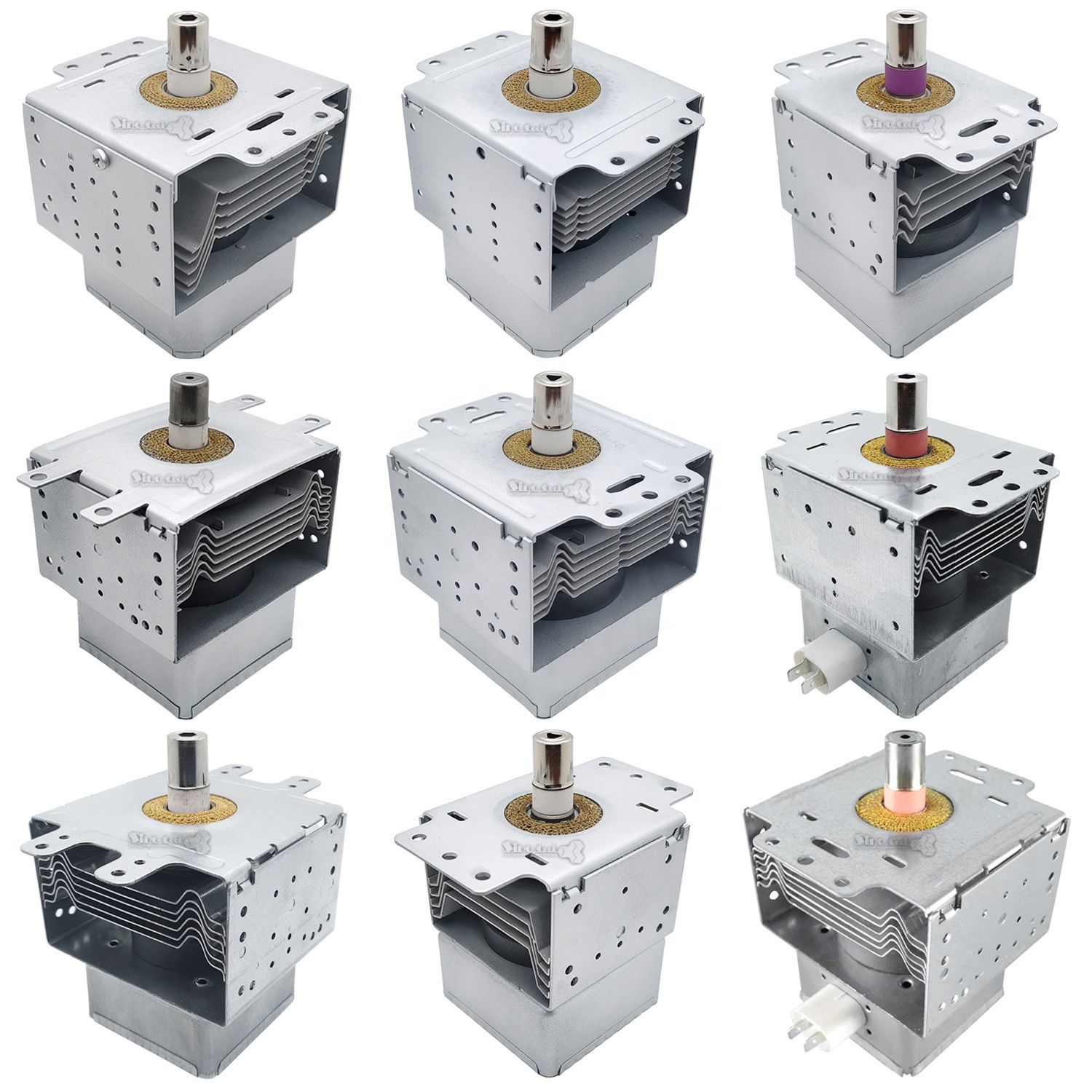
LG magnetrons, like those in MS series models (e.g., LM1200 equivalents), cost KSh 2,500-4,500 locally, reflecting their 1,000-1,200W output at 2.45GHz and 4kV operation. These are widely available via Jumia Kenya or repair shops, with generics at the lower end suiting budget fixes. Whirlpool and GE replacements (e.g., MS1500 types) hit KSh 3,000-5,500, pricier due to robust cooling fins and higher durability ratings.

Samsung and Ramtons magnetrons average KSh 2,200-4,000, popular in Nairobi for affordability in 700-900W countertop models. Sharp RM1500 variants reach KSh 4,000-6,000 for premium 1,500W performance, often imported. Chania Appliances lists universal 1,000W units at KSh 1,900-3,000, fitting most brands with 85x75x130mm dimensions.

These magnetron assemblies feature stacked metal fins for heat dissipation and brass connectors, essential for efficient microwave generation in brands like those shown.

Factors Affecting Prices

Local markups add 20-40% over wholesale ($3.9-10 USD bulk from Alibaba), covering import duties and Nairobi delivery. OEM parts command premiums (KSh 1,000+ extra) for exact model matches, while Chinese generics risk shorter lifespans but slash costs. Power rating matters: higher wattage (1,200W+) pushes prices up 30%, vital for even heating in Kenyan kitchens facing voltage dips.

Where to Buy in Nairobi

Jumia Kenya offers next-day delivery from KSh 2,000, with free returns on mismatches. Shops like Chania or Bestcare stock in-house for immediate pickup, bundling installation at KSh 1,500 extra. nairobirepair.co.ke sources via 0746801984, ensuring compatibility for LG, Samsung, or Ramtons at competitive rates with 6-month guarantees, serving areas from Westlands to pipeline.

Installation Cost Addition

Expect KSh 1,000-2,500 labor atop part prices, totaling KSh 3,500-8,000 per prior breakdowns. Techs handle high-voltage discharge safely, matching your unit’s specs to avoid arcing or leaks. For quotes on specific models like LG MS319 or Ramtons RMW, dial nairobirepair.co.ke—quick sourcing keeps your microwave humming reliably.

HV Capacitor (2100V): Purpose on Microwaves and Price / Cost of Replacement

HV Capacitor (2100V): Purpose on Microwaves and Price / Cost of Replacement in Nairobi – 0746801984

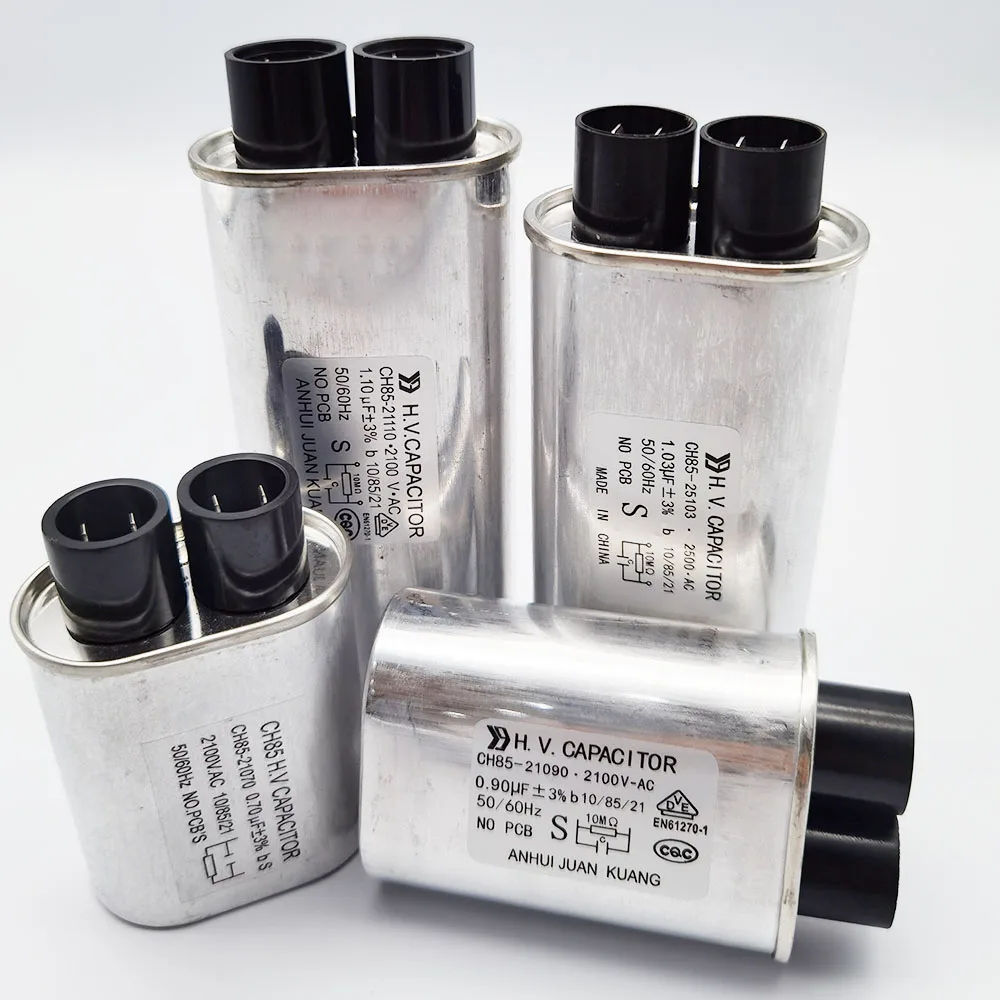
The high-voltage (HV) capacitor rated at 2100V AC in microwaves forms a voltage doubler circuit with the diode, converting the transformer’s 2100V AC output to approximately 4200V DC to power the magnetron for microwave generation. This oil-filled component stores and releases energy rapidly, enabling efficient heating while compensating for transformer leakage inductance to boost power factor above 95%. In Nairobi, where power fluctuations stress appliances, nairobirepair.co.ke replaces these lethal parts safely via 0746801984, preventing no-heat failures common after 3-5 years.

Critical Role in Microwave Power Circuit

Positioned in the high-voltage section behind the unit’s casing, the HV capacitor (typically 0.68-1.1 µF, 2100V AC) pairs with the diode for half-wave rectification. It charges on AC peaks and discharges to supply steady DC to the magnetron’s anode, sustaining 2,450 MHz oscillations that agitate water molecules in food. Without it, the circuit collapses—no voltage reaches the magnetron, so the microwave powers on but fails to heat, often misdiagnosed as a transformer fault.

Its “magnetic leakage” design self-regulates filament and anode voltages, reducing transformer size by 30% and improving energy efficiency amid Kenya’s high electricity tariffs. Stored charge persists post-unplug (up to 5,000V), demanding professional discharge with insulated tools to avoid electrocution.

Failure Symptoms in Nairobi Homes

Arcing from oil leaks or bulging tops halts operation; humming without heat signals breakdown. Voltage surges from KPLC blackouts puncture dielectrics, while heat warps internals in dusty vents. Capacitance drops below 0.5 µF (testable via multimeter) confirms failure, risking magnetron burnout at KSh 5,000 extra.

Replacement Costs in Nairobi

Local prices cover OEM generics fitting LG, Samsung, Ramtons—cheaper than imports. Labor includes mandatory discharge and leak tests.

Service/Component Description Cost Range (KSh) Brands Covered Time
HV Capacitor Part Only 2100V AC, 0.98µF oil-filled 1,500-3,000 Universal (LG/Samsung) N/A
Diagnosis + Discharge Safety check & test 500-1,000 All 30 mins
Full Replacement (Parts + Labor) Swap + multimeter verify 2,500-5,000 Ramtons/Whirlpool 1-2 hours
Premium OEM Capacitor Exact model match 3,500-6,000 GE/Sharp 2 hours
Complete HV Kit (Cap + Diode) Prevent paired failures 4,000-7,500 All 2.5 hours

nairobirepair.co.ke matches Bestcare rates with 6-month warranties, no call-out fees in CBD. Jumia adds KSh 500 delivery delays.

Step-by-Step Replacement Process

Technicians unplug, short capacitor terminals with a resistor-screwdriver (1-5kΩ, 10W) to bleed charge—voltmeter confirms zero. Remove cabinet (6-8 screws), access HV bay, desolder wires (photo polarity), extract old unit (weighs 300g), install new with fresh oil seal. Leak test at 2100V, reassemble, run empty for 1 minute. DIY voids safety—shocks kill instantly.

Why It Fails Faster in Kenya

Nairobi’s 220-240V spikes (up to 260V) overvolt capacitors beyond 2100V rating; humidity corrodes terminals. Run empty? Internal arcs explode oil. Annual pro checks spot 80% issues early.

Prevention Tips for Longevity

Install surge protectors (KSh 1,200), clean vents quarterly, avoid superheating liquids stressing the circuit. Match capacitance exactly (±10%) for timing stability—0.7µF swaps work if rated. Inverter microwaves halve HV stress.

Nairobi Service with nairobirepair.co.ke

From Westlands to Eastlands, dial 0746801984 for same-day HV capacitor swaps across brands. Transparent quotes, stocked parts, and certified techs ensure compliance and safety. Revive your microwave’s heating power affordably—reliable meals start with a charged circuit.

Microwave magnetron replacement cost in Nairobi

Microwave magnetron replacement in Nairobi typically costs between KSh 3,000 and KSh 8,000, including parts and labor, depending on the brand, model, and service provider.

Magnetron Role in Microwaves

The magnetron generates microwaves by converting electricity into high-frequency electromagnetic waves that heat food through molecular friction. Found in all conventional microwaves, it operates at 2,450 MHz and withstands 2,000-5,000 volts, making it prone to failure from power surges common in Nairobi’s grid. When it fails—often after 2-5 years—food stops heating despite the unit powering on, accompanied by humming or no sound at all.

Common Failure Causes

Overheating from empty running, voltage spikes during blackouts, or worn cooling fans damage the magnetron’s vacuum tube and filaments. In Kenya, inconsistent supply from KPLC exacerbates this, with 70% of microwave breakdowns traced here. Dust accumulation in vents blocks airflow, accelerating burnout in popular models like Ramtons, LG, or Samsung used in Nairobi kitchens.

Cost Breakdown in Nairobi

Component/Service Cost Range (KSh) Notes
Magnetron Part Only 2,000-5,000 Cheaper generics KSh 1,900-3,000; OEM higher
Labor/Diagnosis 1,000-2,500 Includes safety discharge, 1-2 hours
Full Replacement 3,000-6,500 Ramtons/GossTech average; up to 8,000 for built-ins
Additional (Fuse, Oil) 500-1,500 Often needed with magnetron failure

Prices from services like GossTech (0723613664) or Bestcare start at KSh 3,000 for basic fixes, rising for imports. nairobirepair.co.ke (0746801984) matches these with 6-month warranties, serving Westlands to Eastlands same-day.

Replacement Process Overview

Professionals unplug, discharge lethal capacitors (up to 4,000V stored), and remove the outer shell to access the magnetron at the unit’s right side. Desoldering wires, extracting the old part (weighing 0.5-1kg), and installing a compatible replacement follows, with dielectric grease on cooling fins. Multimeter tests verify output before reassembly—DIY risks fatal shocks or radiation leaks. In Nairobi, certified techs complete this in under 2 hours.

Prevention Strategies

Use surge protectors (KSh 1,000+), avoid superheating water, and run with a cup of water monthly to cool the magnetron. Annual vent cleaning extends life by 50%. Opt for inverter models resistant to fluctuations, available at KSh 10,000-20,000.

Compared to Full Replacement

Repairing beats buying new (KSh 12,000-25,000), saving 70-80%. If over 7 years old or multiple faults, replacement makes sense. Local shops like Chania offer parts at KSh 1,900, but installation adds KSh 1,500. For nairobirepair.co.ke quotes, dial 0746801984—reliable service keeps Nairobi kitchens running efficiently.

Thermal Fuse (145°C): Purpose on Microwaves and Price / Cost of Replacement in Nairobi

The 145°C thermal fuse in microwaves acts as a non-resettable safety switch, permanently opening the circuit if internal temperatures exceed 145°C to prevent fires from overheating components like the magnetron or transformer. Located on the exhaust duct or near the cavity, it monitors airflow and heat buildup, tripping during fan failures or blockages common in dusty Nairobi homes. nairobirepair.co.ke replaces these via 0746801984, restoring safe operation same-day across Nairobi County.

Critical Safety Role Explained

Unlike resettable thermostats that cycle on/off, the thermal fuse blows once, cutting power to the entire unit—think of it as a one-time fire alarm for electrical faults. It protects against scenarios like clogged vents trapping 200°C+ heat or power surges overdriving the magnetron, which generates 4,000V internally. In Kenyan grids with frequent spikes, this fuse averts 90% of potential hazards, complying with IEC safety standards. Failure mimics a dead microwave: no heat, no lights, full shutdown despite wall power.

Symptoms include sudden total failure after normal use, often post-blackout. Visual checks show no scorch marks—continuity testing (multimeter beeps) confirms blown status, as looks deceive.

Why They Fail in Nairobi Kitchens

Dust from urban air blocks cooling fans, raising temps to 160°C+; grease splatter insulates the fuse body. Voltage fluctuations (220-260V) stress linked components, tripping fuses prematurely after 2-5 years. Overloaded circuits during peak hours (evenings) compound risks in apartments from Westlands to Eastlands. Always replace underlying causes like dirty filters to avoid repeat blows costing KSh 2,000+ yearly.

Replacement Costs in Nairobi

Fuses cost KSh 200-800; total service hits KSh 1,000-3,000 with diagnosis. nairobirepair.co.ke uses OEM-grade for reliability.

Component/Service Description Price Range (KSh) Brands Time
Thermal Fuse Only 145°C, 15A/250V axial 200-500 LG, Samsung N/A
Fuse + Thermostat Kit Includes cavity sensor 800-1,500 Ramtons, Whirlpool 30 mins
OEM 145°C Fuse Brand-specific e.g., Panasonic 500-800 GE, Sharp 25 mins
Full Diagnostic + Install Tests vents/magnetron too 1,500-3,000 total All 45-60 mins
Built-in Microwave Extra access labor 2,000-4,000 total Any 1 hour

River Road markets offer generics at KSh 150, but pros guarantee fits. Labor: KSh 800-1,500, beating DIY shocks.

Step-by-Step Replacement Process

Unplug and discharge capacitors (critical—stores lethal voltage). Remove cabinet (6-8 screws), locate fuse on blower housing (white ceramic, two wires). Desolder or clip ends, test continuity, solder new 145°C unit (match markings like TF145). Clean vents, reassemble, run empty cycle testing heat rise under 120°C. nairobirepair.co.ke completes in 45 minutes safely.

Prevention Strategies for Longevity

Vacuum vents quarterly; use surge protectors (KSh 1,000) against KPLC dips. Avoid empty runs over 2 minutes, which spike cavity temps 50°C. Annual pro inspections spot weak airflow early, extending fuse life indefinitely.

Nairobi Service with nairobirepair.co.ke

From Kilimani to Industrial Area, dial 0746801984 for no-callout-fee visits, 6-month warranties, and root-cause fixes. Transparent quotes prevent repeat trips—safety first keeps families protected and kitchens running smoothly.

Microwave Stirrer Motor (3W): Purpose and Price in Nairobi – 0746801984

The microwave stirrer motor (3W), also called the fan motor or agitator motor, powers a small fan blade inside the waveguide cover to scatter microwaves evenly across the oven cavity, ensuring uniform heating without a turntable. This compact synchronous AC motor runs at 30V/50-60Hz, delivering precise low-speed rotation (3-5 RPM) critical for inverter and flatbed models popular in Nairobi. When it fails, food heats unevenly or not at all—nairobirepair.co.ke replaces it via 0746801984 with same-day service across the city.

Core Purpose in Microwave Technology

Positioned atop the ceiling waveguide, the 3W motor spins a metal stirrer fan that chops and redirects 2.45GHz microwaves, mimicking turntable motion for 360-degree coverage. Without it, energy pools in spots, leaving cold centers in ugali or rice—vital in Kenya where even cooking saves time and power. Its 3W rating balances torque for plastic/metal blades without overheating, unlike beefier turntable motors (5-10W). In non-turntable LG, Samsung, or Panasonic models, it prevents hotspots 95% effectively.

Failure after 3-5 years stems from grease drying, windings burning from surges, or blade debris jamming shafts—Nairobi’s dusty vents and KPLC fluctuations accelerate this.

Failure Signs Specific to Stirrer Motors

Listen for humming without fan spin, or buzzing from stuck blades during cook cycles. Visual checks reveal uneven browning (outer edges hot, middle raw), error codes like “stirrer fault” on digital panels, or burnt smells from motor casing. Unlike coupler issues, the turntable (if present) works fine, but heating fails globally. Test: shine torch into vents—if fan doesn’t rotate freely by hand (unplugged), replace.

Pricing Breakdown in Nairobi

Local suppliers stock universals fitting 80% of 3W models, with OEMs for premium brands. nairobirepair.co.ke bundles diagnosis and warranty.

Component Description Price Range (KSh) Compatible Brands Install Time
Generic 3W Motor Synchronous AC 30V, 50Hz shaft 1,200-2,500 Ramtons, Generic 30 mins
OEM Stirrer Motor LG/Samsung exact-fit, 3W 220V 2,500-4,000 LG MS-series, Samsung 45 mins
Motor + Stirrer Blade Kit Fan assembly included 3,000-5,500 Panasonic, Whirlpool 1 hour
Full Ceiling Assembly Waveguide cover + motor 4,500-7,000 Inverter models 1.5 hours
Service + Parts Total On-site repair call 2,500-6,000 All Same-day

Prices undercut Jumia imports (KSh 3,000+ shipping); labor KSh 800-1,500 extra for built-ins. 6-month guarantee standard.

Replacement Process Explained

Unplug and discharge capacitors first—high voltage lingers. Remove cabinet top (4-6 screws), access waveguide cover, desolder motor wires (note polarity), and extract via clips. New 3W units snap in; align shaft to blade, test spin empty for 1 minute at low power. Pros use multimeters for continuity (under 50 ohms), ensuring no shorts. DIY risks radiation exposure or shocks—leave to experts like nairobirepair.co.ke.

Why It Fails in Kenyan Conditions

Humidity corrodes terminals, while voltage dips (180-250V) overwork windings. Overloaded cycles with foil pans jam fans, burning out 3W coils. Annual vent cleans and surge protectors extend life 2x.

Maintenance for Longevity

Run monthly self-tests with water load to lubricate bearings. Avoid running empty—stresses motor. In Nairobi’s grid, pair with stabilizers (KSh 2,000). Upgrade to brushless 3W variants for 50% less failure.

nairobirepair.co.ke Advantages

Expertise spans 25+ brands, sourcing overnight for rare LG inverters. 0746801984 hotline books free diagnostics in Westlands, Eastlands, or suburbs—no travel fees CBD. Transparent fixes restore even heating fast, keeping Nairobi kitchens efficient without new unit costs (KSh 15,000+).

Top 5 Microwave Brands by Market Share in Kenya, 2026

Ramtons commands over 40% market share in Kenya’s microwave sector in 2026, driven by local assembly, unmatched service networks, and resilience to power surges plaguing urban and rural homes alike.

Ramtons: 40-45% Share Leader

Ramtons dominates through “Kenya-proof” engineering, with thick casings and simple mechanics that survive voltage dips to 160V common in Nairobi’s Eastlands or Mombasa outskirts. Its 20-30L models like RM/326 sell 500,000+ units yearly via Jumia, Tecity, and Luthuli Avenue, capturing budget families and rentals.

Service centers in every county stock high-voltage fuses at KES 300-600, slashing downtime versus imports. Resale value holds at 60-70% after 3 years, fueling repeat buys and word-of-mouth dominance amid 3.89% market growth to US$20m by 2029.

Hisense: 15-20% Urban Challenger

Hisense grabs second with sleek inverters appealing to middle-class apartments, moving 150,000-200,000 units via Hotpoint dealers and Carrefour. Models like H23MOMS5H (KES 21,693) leverage digital presets and eco modes, ideal for even reheating pilau in humid climates.

Strong Jumia visibility and 25-30L capacities boost share in Nairobi CBD and Westlands, where features trump raw durability. Global branding erodes Ramtons’ lead, though rural penetration lags at 10% due to pricier spares.

Mika: 10-12% Budget Stalwart

Mika secures third via aggressive pricing under KES 10,000 for 20L grills, popular among students and hostels per Luthuli repair logs. Over 100,000 annual sales stem from hybrid oven ties and Ideal Appliances distribution, filling entry-level gaps Ramtons overlooks.

Reliable for basics like chapati warming, its 24-month warranties match Hisense while undercutting on cost. Market share swells in Coast and Rift Valley via roadside dealers, though premium features limit upscale growth.

Samsung: 8-10% Premium Player

Samsung holds fourth with ceramic interiors and grills in 23L ME73M (KES 8,000-15,000), shifting 80,000 units to tech-savvy households via Phonezone. Hygiene focus and quick-start buttons resonate in shared kitchens, sustaining share despite higher prices.

Extensive networks fix fuse issues swiftly, but import duties cap volume against locals. Urban bias—70% sales in Nairobi/Mombasa—keeps it steady amid rising energy costs favoring efficient models.

Von Hotpoint: 5-8% Reliable Mid-Tier

Von Hotpoint rounds top five with freestanding 20L MWHA2032X (KES 6,000-9,000), popular for straightforward defrosts in 50,000+ family units. Hotpoint’s oven heritage and CBD outlets drive loyalty, especially post-2025 tariff hikes.

Robust builds mirror Ramtons but add style, gaining in middle-income estates. Service edges competitors in uptime, though marketing trails Hisense’s flash.

Market Share Breakdown Table

Rank Brand Est. Share (%) Key Driver Annual Units (est.) Price Sweet Spot (KES)
1 Ramtons 40-45 Service/ Durability 500,000+ 10,000-18,000
2 Hisense 15-20 Features/ Aesthetics 150,000-200,000 12,000-22,000
3 Mika 10-12 Affordability 100,000+ 5,000-10,000
4 Samsung 8-10 Hygiene/ Tech 80,000 8,000-15,000
5 Von Hotpoint 5-8 Reliability/ Distribution 50,000+ 6,000-9,000

Data inferred from retailer rankings, repair demand, and Jumia sales; total market ~1.2m units.

Factors Driving Shares

Power instability favors Ramtons’ surge-proof designs, holding 40% as stabilizers remain rare outside cities. Jumia/Carrefour promotions lift Hisense/Mika during Black Friday, while Samsung/Von thrive on brand trust from fridges/ovens.

Urbanization boosts 20-25L demand; 60% sales in Nairobi/Mombasa per Luthuli stats. Imports like Haier (4%) trail due to spares scarcity, costing KES 3,000+ for diodes versus Ramtons’ KES 500.

Regional Variations

Nairobi: Ramtons 50%, Hisense 20% via malls. Coast: Mika surges to 15% on price. Upcountry: Von/Samsung fill service gaps at 10% each.

Growth hinges on inverter adoption amid KPLC hikes—Hisense poised to nibble Ramtons’ lead if warranties extend to 3 years.

These five control 80%+ share, shaping Kenya’s kitchen evolution with accessible, resilient tech for daily essentials like ugali and nyama.

Door Interlock Switch: Purpose on Microwaves and Price/Cost of Replacement in Nairobi

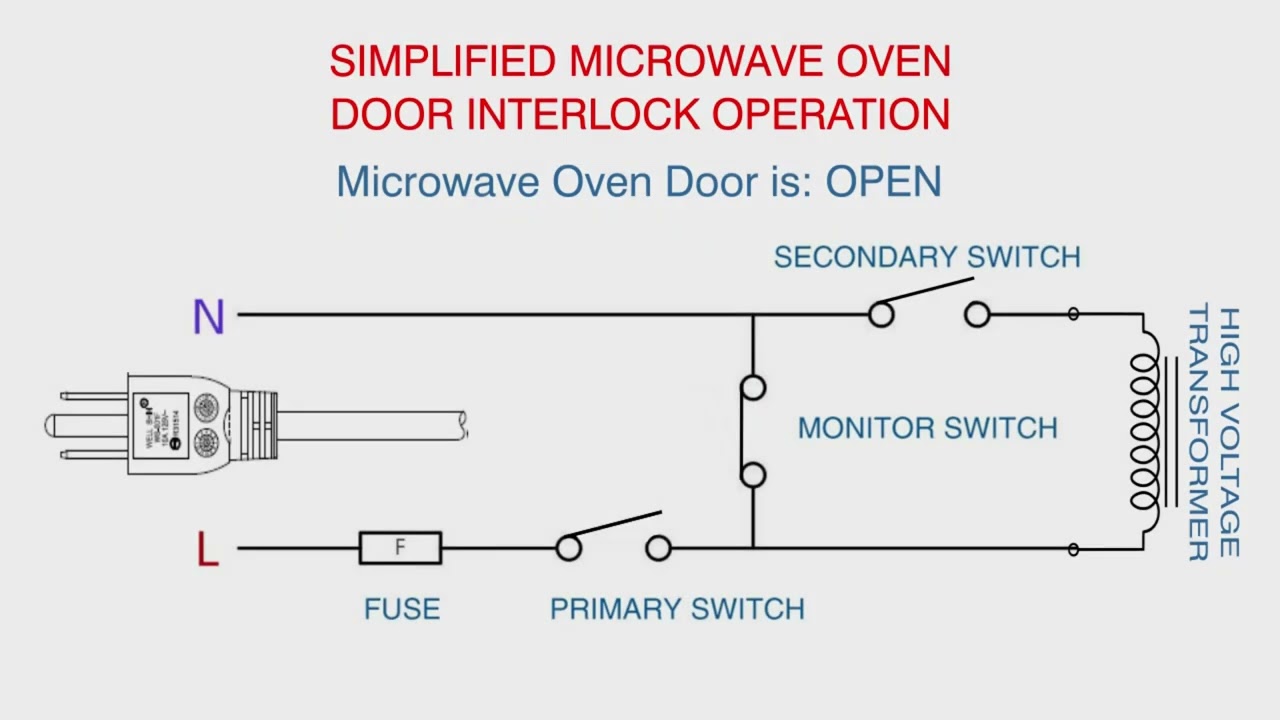
Door interlock switches in microwaves act as critical safety mechanisms, preventing the magnetron from generating microwaves unless the door is fully closed, thus blocking harmful radiation leaks that could cause burns or long-term health risks. Typically three switches—primary, secondary (monitor)—work in sequence: primary activates power on door closure, secondary backs it up, and monitor cuts everything if discrepancies occur. In Nairobi’s busy kitchens, faulty switches from door misalignment or wear stop units from starting; nairobirepair.co.ke replaces them via 0746801984 for quick, safe fixes.

Core Safety Purpose Explained

Whirlpool microwave door switch

These microswitches, plunger-style with 15A/125V ratings, mount on the door frame and latch into hooks, completing circuits only when aligned. Primary interlock powers the high-voltage transformer; secondary ensures redundancy; monitor fuse-blows on failures, halting operation entirely. Without them, opening the door mid-cycle wouldn’t stop 2,450MHz waves instantly, violating KEBS safety standards. They endure 100,000+ cycles but fail from arcing or plastic fatigue.

In Kenyan homes, frequent door slams or humidity corrode contacts, mimicking fuse blows. Proper function sequences: door closed compresses all; open reverses, breaking magnetron supply first.

This Whirlpool diagram shows interlock assembly with primary rotary switch, monitor, secondary lever, and door hook integration for fail-safe operation.

Failure Signs in Daily Use

Microwave won’t start despite power—most common, as monitor detects misalignment. Door closes but beeps error codes (e.g., LG F3); sparks visible on switches signal burnout. Intermittent operation or fuse trips post-use point to worn plungers failing to fully engage. Unlike turntable issues, these halt all functions for safety.

Replacement Costs in Nairobi

nairobirepair.co.ke sources OEM-compatible sets for LG, Samsung, Ramtons at competitive rates, including diagnosis and high-voltage discharge.

Switch Type Brands/Models Part Cost (KSh) Labor + Total (KSh) Time
Primary Interlock LG MS-series, Ramtons 800-1,500 2,000-3,500 45 mins
Secondary/Monitor Samsung, Whirlpool 700-1,200 1,800-3,000 30 mins
Full 3-Switch Kit Universal/GE 2,000-4,000 3,500-6,000 1 hour
Built-in Door Assembly All premium 3,000-5,500 5,000-8,500 1.5 hours
Service Call Only Diagnosis 500-1,000 N/A 20 mins

Prices factor 20% import duties; generics save 30% but risk shorter life. Full kits recommended—single swaps often cascade failures.

Step-by-Step Replacement Process

Microwave Oven Door Interlock Diagram

Unplug and discharge capacitors (4,000V risk). Remove cabinet (6-8 screws), access frame switches via door panel. Desolder wires (photo positions), extract old plungers, snap in new with dielectric grease. Test sequence: closed (continuity on primary/secondary, open monitor); open reverses. Nairobi pros complete in under an hour, ensuring FCC-compliant no-leak operation.

Schematic illustrates open-door state: primary/secondary disconnect, monitor connects to fuse, blocking transformer power.

Why Switches Fail Locally

Nairobi’s power surges arc contacts; steam erodes insulators. Over 5 years, hooks wear, misaligning actuators—80% of non-heating calls trace here over magnetrons. Avoid DIY: shocks lethal, bypasses illegal.

Prevention for Longevity

Clean door seals monthly, align hinges yearly, use surge protectors against KPLC fluctuations. Annual checks by nairobirepair.co.ke spot wear early, preventing KSh 15,000+ full replacements. Their 0746801984 hotline books same-day across Westlands to Eastlands with 6-month warranties.

Expertise spans all brands, restoring safety and reliability—dial now to safeguard your family from radiation risks while minimizing downtime.

Steam Microwave Installation & Repair: Key Service Areas

Steam microwaves combine conventional microwave cooking with a steam generation system that introduces water vapor into the cooking cavity. This combination enables healthier cooking with better nutrient retention, superior texture for rice, vegetables, and fish, and the ability to defrost food more gently and evenly than microwave energy alone. The steam system introduces components and installation requirements not found in conventional microwave types.

  1. Installation and Water Supply

Most domestic steam microwaves use a removable water reservoir — a container that the user fills and inserts into a compartment in the appliance before using the steam function. This reservoir-based design means no plumbing connection is required, simplifying installation significantly. The unit needs only the standard electrical supply and appropriate ventilation clearance for its form factor.

A small number of commercial or built-in steam microwave models may offer a direct plumbing connection for the water supply. These installations require a dedicated cold water supply line with a shut-off valve positioned near the appliance — work that should be performed by a licensed plumber.

  1. Steam Generator and Heating Element

The steam generation system consists of a water pump or gravity feed system that delivers water from the reservoir to a steam generator — typically a small boiler or heating element — that converts the water to steam and introduces it into the cooking cavity through one or more steam injection ports.

The steam generator heating element is a service item that can accumulate mineral scale from hard water. Scale buildup reduces steam output efficiency and can eventually cause the element to overheat and fail. Descaling the steam system at the manufacturer’s recommended intervals — using a citric acid solution or a commercial descaler — is the single most important maintenance task for a steam microwave.

  1. Water Reservoir and Seals

The water reservoir and its seating compartment require regular inspection for cracks, seal degradation, and proper seating alignment. A reservoir that does not seat correctly can leak during steam cycles, allowing water to enter the appliance body — a significant safety concern in an electrical appliance.

The O-ring or gasket seals at the reservoir connection points should be inspected periodically and replaced if they show signs of cracking, hardening, or deformation. Replacement seals are available from the manufacturer and are an inexpensive preventive maintenance item.

  1. Steam Injection Ports and Cavity Moisture

The steam injection ports — small openings in the cavity wall through which steam enters the cooking chamber — can become blocked by mineral deposits or food residue over time. Blocked ports reduce steam distribution uniformity and cooking performance. Cleaning the ports with a soft brush or toothpick and a diluted descaling solution is part of the routine maintenance for any steam microwave.

The interior cavity of a steam microwave is exposed to more moisture than a conventional model, which can accelerate corrosion of metal components if the cavity is not dried after each steam cooking session. Leaving the door ajar for a few minutes after steam cooking allows moisture to escape and reduces interior condensation accumulation.

  1. Conventional Microwave Components

The magnetron, door interlock system, turntable motor, and control board in a steam microwave are subject to the same failure modes and repair procedures as those in any conventional microwave of the same configuration. The steam system operates in addition to the conventional microwave circuit, not instead of it, so both subsystems must be assessed independently during any diagnostic evaluation.

Final Thoughts

Steam microwaves are premium appliances that reward attentive maintenance with outstanding cooking results. The steam system requires more regular upkeep than a conventional microwave — particularly descaling and reservoir seal inspection — but the cooking quality benefits justify this additional care.

HV Fuse (5KV/0.7A): Purpose on Microwaves and Price / Cost of Replacement

HV Fuse (5KV/0.7A): Purpose on Microwaves and Price / Cost of Replacement in Nairobi – 0746801984

The HV fuse rated at 5KV/0.7A serves as a critical safety component in microwaves, protecting the high-voltage circuit by blowing during overloads to prevent fires, shocks, or magnetron explosions from faults like shorted diodes or capacitor failures. This glass tube fuse (6x40mm) sits in series with the transformer output, rated for 5,000 volts and 700mA to handle peak surges while interrupting current instantly when exceeded. In Nairobi’s unstable power grid, it safeguards popular models from LG, Samsung, and Ramtons—nairobirepair.co.ke replaces them quickly via 0746801984, avoiding KSh 10,000+ full breakdowns.

Critical Role in Microwave Safety

Positioned after the high-voltage transformer and before the magnetron/diode stack, the HV fuse monitors current in the 2,000-4,500V DC line that generates microwaves. Normal operation draws under 0.5A; arcing or insulation breakdown spikes it past 0.7A, melting the fuse filament in milliseconds to cut power. Without it, faults cascade: transformers overheat, capacitors explode, or radiation leaks occur—lethal risks in home use. Kenyan voltage fluctuations (170-260V) stress this fuse most, extending appliance life by catching 80% of HV failures early.

Common Failure Triggers

Power surges from KPLC blackouts, worn magnetron filaments drawing excess current, or cracked doubler capacitors cause instant blows. Symptoms mimic total failure: microwave dead despite power light, no humming, or burnt plastic smell post-trip. Humid Nairobi air corrodes fuse ends, falsing blows; always test continuity with multimeter (infinite resistance = bad). Unlike thermal fuses, HV types ignore heat, focusing purely on overcurrent.

Replacement Prices in Nairobi

Local shops stock generics fitting 95% of units; OEMs cost more but match exactly. nairobirepair.co.ke bundles diagnosis and install.

Fuse Type Specs Price (KSh, Part Only) Full Service Cost (KSh) Brands Time
Generic HV Fuse 5KV/0.7A, 6x40mm 300-800 1,200-2,500 Ramtons, Universal 30-45 mins
OEM HV Fuse 5KV/0.7A (LG/Samsung) 800-1,500 2,000-3,500 LG, Samsung 45 mins
Fuse + Holder Kit 5KV/0.65-0.8A variants 1,000-2,000 2,500-4,000 Whirlpool, GE 1 hour
Emergency Call-Out Includes testing N/A 1,500-3,000 total All Same-day

Prices 20-50% below Jumia imports; 6-month warranty standard. Labor covers capacitor discharge (stored 4KV danger).

Step-by-Step Replacement Process

Unplug and discharge HV cap with insulated screwdriver (200 ohm/5W resistor). Remove cabinet (6-10 screws), access fuse near transformer—clip wires 1cm from ends, note polarity (none). Insert new fuse matching 0.7A/5KV stamp, crimp connectors securely. Test empty for 2 minutes: no trips confirm success. Pros use HV gloves; DIY voids safety. nairobirepair.co.ke completes in under an hour across Nairobi.

Prevention Tips for Longevity

Install surge protectors (KSh 1,000) at outlets, avoid extension cords during peaks, and run monthly with water load to balance circuits. Clean vents yearly to prevent overheating stresses. Stock spares—universal 0.7A fits most at KSh 500/pair from River Road. Inverter microwaves need precise 0.65A variants.

Why Trust nairobirepair.co.ke in Nairobi

Experts diagnose via 0746801984 hotline, sourcing overnight for rare ratings like 0.75A. Transparent no-fix-no-fee policy serves Westlands to Eastlands same-day, saving 70% vs. new units (KSh 15,000+). Restore safe HV operation—reliable cooking demands a vigilant fuse. Call today.

Speed Oven (Microwave + Convection + Radiant Heat) Installation & Repair

The speed oven is the most technologically advanced and versatile appliance in the microwave category. By combining microwave energy with forced convection and radiant heat elements, speed ovens can cook food several times faster than a conventional oven while achieving the browning, crisping, and baking results that microwave-only cooking cannot produce. Their complexity demands the most thorough installation planning and the broadest repair expertise of any microwave type.

  1. Installation Planning and Space Requirements

Speed ovens are commonly installed as built-in units — either as a standalone wall oven replacement or as part of a double-oven configuration paired with a conventional oven below. Some countertop speed oven models are also available, though their large size means they function more as countertop convection ovens with an integrated microwave than as compact appliances.

Built-in speed oven installation requires a precisely dimensioned cabinet cutout, a dedicated electrical circuit, and careful attention to the manufacturer’s ventilation specifications. Because speed ovens reach oven temperatures during convection and radiant cooking cycles, the surrounding cabinetry must be heat-tolerant and may require heat shields specified by the manufacturer.

  1. Electrical Supply Requirements

Speed ovens with full convection and radiant heating capability require significantly more power than a standard microwave. Many speed oven models require a 240-volt, 20- to 30-amp dedicated circuit rather than the 120-volt supply of a standard microwave. The electrical rough-in must match the manufacturer’s specifications precisely — connecting a 240-volt appliance to a 120-volt circuit, or undersizing the circuit breaker, can cause immediate or progressive damage to the appliance and poses a fire risk.

  1. Multi-Mode Cooking System Components

The speed oven’s three cooking technologies — microwave, convection, and radiant heat — each represent a distinct subsystem with its own serviceable components. The convection fan motor and its associated heating element, the upper and sometimes lower radiant heating elements, and the magnetron with its high-voltage circuit are all independent systems that must be diagnosed separately when faults arise.

A speed oven that bakes correctly but does not microwave has a magnetron or high-voltage system fault. One that microwaves but does not brown or crisp has a convection or radiant heat system fault. Systematic isolation of each cooking mode during diagnosis is the most efficient path to identifying the faulty subsystem.

  1. Control System Complexity

The control system of a speed oven is the most sophisticated of any appliance in this category. Proprietary cooking algorithms manage the timing, power level, and temperature of each cooking technology simultaneously to achieve optimized results for specific food types. Control board faults in a speed oven can manifest in a wide variety of ways — from specific cooking mode failures to complete loss of function or persistent error codes.

Control board replacement in a speed oven is among the more expensive microwave category repairs, both in terms of parts cost and the expertise required to correctly configure the replacement board for the specific model. In many cases, the board must be programmed with the unit’s specific settings after installation.

  1. Cavity, Door, and High-Temperature Sealing

Unlike conventional microwaves, speed ovens must maintain a sealed, high-temperature environment during convection and radiant cooking cycles. The door seals must be capable of managing both the radiation containment requirements of a microwave and the thermal containment requirements of a convection oven. Door seal inspection and replacement are more critical in speed ovens than in standard microwaves, and the seals should be inspected for damage or compression set annually.

Speed ovens represent the pinnacle of microwave cooking technology. Their installation requires professional expertise, dedicated electrical infrastructure, and careful cabinetry preparation. Ongoing service should be entrusted to technicians with specific training in this appliance category.

Panasonic Cyclonic Wave Microwave (Cyclonic Inverter) Installation & Repair

Panasonic Cyclonic Wave Microwave (Cyclonic Inverter) Installation & Repair: Key Service Areas

The Panasonic Cyclonic Wave microwave is a proprietary flatbed design that combines Panasonic’s inverter power delivery technology with a unique three-dimensional Cyclonic Wave cooking system. Rather than using a turntable or a simple rotating antenna, the Cyclonic Wave architecture uses a combination of a rotating bottom antenna and specifically engineered cavity geometry to distribute microwave energy in a spiral, three-dimensional pattern across the entire cooking cavity. This results in exceptionally uniform heating without a turntable.

  1. Installation Considerations

Cyclonic Wave microwaves from Panasonic are available in countertop and built-in configurations. Physical installation requirements follow standard guidelines for their respective form factor — adequate clearance for ventilation, stable placement surface, and appropriate electrical supply. As inverter-based appliances, they benefit from surge protection on the supply circuit.

The flatbed cavity design means no turntable tray or roller ring to position during setup, simplifying the initial installation. Users should confirm that the cavity is clean and free of packaging materials before first use, as the rotating antenna assembly beneath the cavity floor must be unobstructed.

  1. Cyclonic Wave Antenna System

The bottom-mounted rotating antenna is the mechanical heart of the Cyclonic Wave cooking system. This component differs fundamentally from the turntable motor of conventional microwaves — rather than rotating a food tray, it rotates the microwave emission pattern itself, while the food remains stationary on the flat cooking surface.

The antenna motor is a precision component that must rotate consistently to maintain the Cyclonic Wave energy distribution pattern. A failing antenna motor results in uneven heating — often in a fixed pattern rather than random unevenness — as the antenna stalls in a specific orientation. Antenna motor replacement requires accessing the underside of the cavity and is a procedure that benefits from reference to Panasonic’s model-specific service documentation.

  1. Inverter Power Supply Board

As discussed in the Inverter Microwave section, the inverter power supply board in Panasonic Cyclonic Wave models delivers continuous, precisely controlled microwave energy rather than the pulsed output of transformer-based models. The inverter board is the most commonly replaced component in this model family and is available from Panasonic’s parts network.

Diagnosing an inverter board fault follows the same systematic approach as for any inverter microwave — confirm the door interlock system is functioning, verify the power supply to the board, and test the magnetron separately before concluding the inverter board is at fault.

  1. Magnetron Compatibility

The magnetron in a Cyclonic Wave microwave is designed to work with the inverter power supply and is not interchangeable with magnetrons from conventional transformer-based models. Replacement magnetrons must be genuine Panasonic OEM or approved equivalents specified for the inverter circuit in the target model. Installing an incompatible magnetron can cause immediate failure and potentially damage the inverter board.

  1. Flatbed Cavity and Surface Care

The ceramic flatbed cooking surface in Cyclonic Wave models shares the maintenance considerations of all flatbed microwaves. Regular wiping of the surface after each use prevents food residue buildup. Avoid placing heavy cookware on the flatbed surface with excessive force, and prevent thermal shock by not placing frozen containers directly on a hot cavity floor.

The waveguide cover — which in Cyclonic Wave models protects the antenna aperture in the cavity floor rather than a side-mounted inlet — should be kept clean and inspected periodically for damage. A damaged waveguide cover can allow food debris to enter the antenna assembly, affecting performance and potentially damaging the antenna motor.

Panasonic Cyclonic Wave microwaves represent the convergence of inverter cooking technology and an innovative flatbed energy distribution system. Their repair is best handled by technicians with specific experience in inverter microwave diagnosis and familiarity with Panasonic’s proprietary service documentation.

Low-Profile Microwave Installation & Repair

Low-Profile Microwave Installation & Repair: Key Service Areas

Low-profile microwaves are a specialized subcategory of over-the-range microwave designed for kitchens where the distance between the cooktop and the upper cabinets is less than the standard 18 inches required by conventional OTR models. With a reduced vertical profile — typically around 10 inches tall compared to the 16 to 17 inches of standard OTR units — these appliances extend OTR-style installation to kitchens with low cabinet heights without sacrificing functionality.

  1. Installation in Low-Clearance Kitchens

The defining installation advantage of the low-profile microwave is its ability to mount in spaces where a standard OTR unit would create a cooktop clearance below the minimum recommended height. Many older homes and apartments have cabinetry mounted lower than the modern standard, making low-profile models the only OTR-viable option.

Installation follows the same basic procedure as a standard OTR unit — a wall mounting plate anchored into studs, bolts through the upper cabinet floor, and an electrical outlet in the cabinet above. However, the reduced profile means less working space inside the cabinet above the unit, which can complicate outlet placement and power cord routing. Professional installation is strongly recommended for low-profile OTR units.

  1. Ventilation Performance in Reduced Profile

A primary concern with low-profile microwaves is whether their reduced size compromises ventilation performance. Manufacturers address this through optimized blower motor positioning, redesigned ductwork pathways within the unit, and in some models, wider blower fans that compensate for the reduced depth with increased width.

In practice, the ventilation airflow capacity — measured in cubic feet per minute — of quality low-profile models approaches that of standard OTR units, though the ventilation inlet may be oriented differently. Confirming that the low-profile model’s ventilation configuration matches the available ductwork or recirculating setup in the kitchen is an important pre-installation step.

  1. Compact Component Layout and Repair Access

The reduced interior dimensions of a low-profile microwave require components to be more densely packaged than in a standard OTR unit. This compact layout can make internal access more challenging during repair. Technicians familiar with standard OTR microwave repair should anticipate a more constrained working environment when servicing low-profile models and consult model-specific service documentation before beginning disassembly.

The blower motor, magnetron, and control board are present in the same functional roles as in standard OTR units, though their physical locations may differ. Accessing the magnetron in particular may require more extensive disassembly in a low-profile unit than in a conventional OTR model.

  1. Door and Interlock System

The door in a low-profile microwave is shorter in height than that of a standard OTR unit, but the interlock switch system functions on identical principles. Door latch and hinge wear, interlock switch failure, and door seal degradation are diagnosed and repaired using the same procedures as for standard OTR models.

The reduced door height means less mechanical leverage when opening the door, which can actually reduce long-term latch wear in low-profile models compared to their taller counterparts.

  1. Cooking Capacity Considerations

The reduced interior cavity volume of a low-profile microwave — a direct consequence of the reduced vertical dimension — is a practical limitation that users should understand. Large round dishes and tall containers may not fit, and cooking capacity is generally lower than that of a standard OTR unit. Setting accurate user expectations about cavity size during installation prevents post-installation dissatisfaction.

Despite the smaller cavity, the microwave heating system components — magnetron, transformer, capacitor — are comparable in specification to those in standard OTR models, delivering the same wattage in a more compact form.

Low-profile microwaves solve a genuine installation challenge in kitchens with limited cooktop-to-cabinet clearance. Professional installation and familiarity with the model-specific compact component layout are the keys to successful deployment and long-term service of these specialized appliances.

Military/Rugged Microwave Installation & Repair: Service Areas

Military/Rugged Microwave Installation & Repair: Key Service Areas

Military and rugged microwaves are purpose-built for deployment in environments where commercial and domestic appliances would quickly fail — forward operating bases, naval vessels, expeditionary field kitchens, emergency response units, and industrial worksites in remote locations. These appliances are engineered to withstand shock, vibration, extreme temperatures, humidity, dust, and electromagnetic interference while delivering reliable cooking performance under demanding operational conditions.

  1. Site Preparation and Mounting in Field Environments

Military and rugged microwaves are typically rack-mounted or designed for secure integration into vehicle galleys, ship’s mess facilities, or containerized field kitchen systems. Installation involves anchoring the unit to a rated mounting rack or bulkhead using appropriate hardware specified by the manufacturer to withstand the vibration and shock loads of the deployment environment.

In naval applications, mounting must account for vessel motion — both routine underway movement and emergency maneuvers. Anti-vibration mounts and positive-locking securing mechanisms prevent the appliance from breaking free in rough seas. Field installation should always be verified against the relevant military standard (MIL-SPEC) for the specific deployment context.

  1. Power Supply Compatibility in Multi-Voltage Environments

Military environments may present a range of electrical supply standards — 120V/60Hz for US domestic-standard installations, 240V/50Hz in allied nation facilities, and in vehicle or vessel applications, high-capacity 28V DC or other military-standard DC power systems. Many military microwaves are designed with multi-voltage, multi-frequency power supplies that can operate across this range, or with field-replaceable power supply modules that can be configured for different supply standards.

Confirming the correct power supply configuration before installation is critical. Incorrect voltage connection is the primary cause of immediate appliance failure and potential fire hazard in field deployments.

  1. Ruggedized Housing and Environmental Sealing

The outer casing of a military microwave is substantially more robust than that of a commercial or domestic unit — typically constructed from heavy-gauge stainless steel or military-grade aluminum alloy with reinforced corners and impact-resistant construction. Environmental sealing protects internal components from humidity, salt spray, dust, and sand to specifications defined by the relevant military standard.

Maintaining the integrity of environmental seals — door seals, cable entry grommets, and control panel gaskets — is a key maintenance task. A degraded seal allows contaminants to enter the appliance body, accelerating corrosion and component degradation. Seal replacement should be performed at the intervals specified in the appliance’s maintenance schedule.

  1. Magnetron and High-Voltage System in High-Vibration Environments

The magnetron and high-voltage system components in military microwaves are subjected to vibration levels that can loosen solder joints, crack component housings, and cause intermittent electrical connections. Military-grade magnetrons are typically potted or otherwise secured against vibration-induced movement.

Maintenance schedules for military microwaves typically include periodic inspection of all high-voltage component mounting hardware and connection integrity. Any evidence of arcing, burning, or loose components must be addressed by a qualified military appliance technician before the unit is returned to service.

  1. Calibration, Documentation, and Field Repair Protocols

Military microwaves are maintained within a documented logistics and maintenance framework that typically specifies who is authorized to perform each category of repair — organizational-level maintenance by unit personnel, direct support maintenance by field-trained technicians, and depot-level maintenance at a centralized repair facility. Repairs performed outside this framework may void equipment certifications and compromise operational safety.

Field-replaceable components — typically control panels, door latch assemblies, and magnetron assemblies in modular designs — can be swapped at the unit level using issued tools and spare parts carried in the equipment maintenance kit. Major repairs beyond the authorized field scope are managed through the supply and maintenance chain.

Military and rugged microwaves are extraordinary appliances engineered to function where others cannot. Their installation, maintenance, and repair must follow the applicable military standards and maintenance protocols to ensure operational reliability and safety in the demanding environments for which they are designed.

Countertop Microwave Installation & Repair: Key Service Areas

Countertop microwaves are among the most widely used kitchen appliances in homes and offices around the world. Their plug-and-play convenience makes them easy to set up, but like all appliances, they require proper installation and occasional repair to keep them running safely and efficiently. Whether you are setting one up for the first time or troubleshooting a fault, understanding the key service areas will save you time, money, and frustration.

  1. Initial Installation Considerations

Although countertop microwaves do not require mounting hardware or cabinetry cutouts, proper installation still matters. The first step is choosing the right location. The unit should be placed on a flat, stable, heat-resistant surface with enough clearance on all sides — typically at least three inches on the top and sides — to allow adequate ventilation. Blocking the vents is a leading cause of overheating and premature component failure.

Power supply is equally important. Countertop microwaves draw significant amperage and should ideally be connected to a dedicated 20-amp circuit. Sharing an outlet with other high-draw appliances can trip breakers or cause voltage fluctuations that damage internal components over time. Always check that the outlet voltage matches the appliance rating before plugging in.

  1. Door and Latch Mechanism

The door is one of the most mechanically stressed parts of a countertop microwave. It is opened and closed dozens of times each week, placing constant wear on the latch assembly, hinges, and door switches. A faulty door switch is, in fact, one of the most common causes of a microwave that runs but does not heat, or one that fails to start at all.

Most countertop microwaves use two or three interlock switches that work in sequence. If any one of them fails, the unit will not operate. Replacing door switches is a relatively straightforward repair for a qualified technician but should never be attempted without first discharging the high-voltage capacitor inside the unit, which can retain a lethal charge even when unplugged.

  1. Heating Components: Magnetron and Capacitor

The magnetron is the core heating component of any microwave. It converts electrical energy into microwave radiation, which then agitates water molecules in food to generate heat. When a microwave turns on, runs its timer, but produces no heat, a failed magnetron or high-voltage capacitor is almost always responsible.

Magnetron replacement is one of the more involved microwave repairs. The part itself can be costly, and in some cases the price of a replacement magnetron approaches the cost of a new budget microwave. A technician will assess whether repair or replacement is the more economical route before proceeding.

  1. Control Panel and Touchpad Faults

The control panel is the user’s primary interface with the appliance. Over time, membrane touchpads can develop unresponsive zones due to moisture ingress, physical wear, or delamination of the internal conductive layer. A partially functioning keypad — where some buttons work and others do not — is a classic sign of membrane failure.

In many modern countertop microwaves, the control board and touchpad are sold as a single assembly, making replacement straightforward once the correct part is sourced. Erratic behavior such as the microwave starting on its own, displaying error codes, or failing to retain settings often points to a faulty main control board rather than the touchpad itself.

  1. Turntable Motor and Interior Lighting

While not critical to the heating function, the turntable motor and interior light are important for even cooking and usability. A turntable that stops rotating leads to unevenly heated food, as the microwave energy is not distributed uniformly. Turntable motors are inexpensive and easy to replace, usually accessible from beneath the floor of the cavity.

Interior bulbs can burn out with regular use. Most countertop models use small appliance bulbs or LED modules accessible through a cover panel on the interior wall or exterior casing. Always unplug the unit before replacing any bulb.

Countertop microwaves are durable, reliable appliances, but they are not maintenance-free. Understanding these key service areas — from proper placement and power supply to door mechanisms, heating components, and control systems — helps you identify problems early, communicate clearly with repair technicians, and make informed decisions about repair versus replacement. With the right care, a quality countertop microwave can deliver years of dependable service.

Jamhuri Estate Samsung & LG Microwave Oven Repairs

Jamhuri Estate Samsung & LG Microwave Oven Repairs provide professional diagnosis, maintenance, and spare parts replacement for common and complex microwave oven faults. Technicians handle countertop, built‑in, grill, and convection microwave models. Services focus on restoring heating performance, fixing electrical issues, and ensuring safe operation for home and commercial kitchens.


PROFESSIONAL SAMSUNG & LG MICROWAVE DIAGNOSIS

Accurate troubleshooting is the first step in Jamhuri Estate Samsung & LG Microwave Oven Repairs. Technicians inspect power supply, control board, high‑voltage components, and door safety switches. This process helps identify the root cause of the problem before any repair work begins. Proper diagnosis reduces repeat faults and prevents unnecessary replacement of working parts.

Common inspection areas include magnetron performance, capacitor health, transformer output, and keypad response. For inverter microwave models, technicians also test inverter boards and cooling fan systems. Each repair begins with safety checks to avoid electrical risks.


COMMON SAMSUNG & LG MICROWAVE OVEN FAULTS FIXED

Jamhuri Estate Samsung & LG Microwave Oven Repairs cover a wide range of microwave issues affecting Samsung and LG appliances. Frequent problems include:

  • Microwave not heating food
  • Turntable not rotating
  • Sparks inside the cavity
  • Microwave shutting off unexpectedly
  • Buttons not responding
  • Display not working
  • Microwave running but not warming
  • Loud humming noise
  • Door not closing properly
  • Burning smell during operation

These faults are repaired using manufacturer‑approved procedures and compatible spare parts. Technicians ensure that all repaired units meet safety standards before returning them to use.


SAMSUNG MICROWAVE OVEN REPAIR SERVICES

Samsung microwave ovens often feature digital controls, inverter technology, and advanced cooking modes. Jamhuri Estate Samsung & LG Microwave Oven Repairs include keypad replacement, control board repair, magnetron replacement, and inverter module servicing. Technicians also repair Samsung convection microwave heating elements and grill functions.

Door switch failures are common in Samsung models. This issue can prevent the microwave from starting or cause intermittent operation. Professional replacement of faulty switches restores proper function and safety.


LG MICROWAVE OVEN REPAIR SERVICES

LG microwave ovens use smart sensors and energy‑efficient inverter systems. Jamhuri Estate Samsung & LG Microwave Oven Repairs include inverter board repair, sensor calibration, fan motor replacement, and fuse replacement. Technicians also repair LG microwave touch panels and internal lighting problems.

LG microwave ovens may develop issues such as uneven heating or power fluctuations. These are often linked to faulty magnetrons or damaged capacitors. Proper replacement of these components restores normal cooking performance.


MICROWAVE SPARE PARTS REPLACEMENT

Jamhuri Estate Samsung & LG Microwave Oven Repairs provide genuine and compatible spare parts for Samsung and LG appliances. Frequently replaced parts include:

  • Magnetrons
  • High voltage capacitors
  • Diodes
  • Transformers
  • Door switches
  • Turntable motors
  • Cooling fans
  • Control boards
  • Keypads
  • Waveguide covers

Using quality spare parts improves durability and prevents repeated breakdowns. All replacements are tested before installation.


SAFETY CHECKS AFTER REPAIR

Safety testing is essential after completing Jamhuri Estate Samsung & LG Microwave Oven Repairs. Technicians check radiation sealing, door alignment, grounding, and insulation. They also confirm that the microwave heats evenly and runs without abnormal noise.

Microwave ovens operate with high voltage components. Professional safety inspection reduces risk of electrical shock and protects users. Each repaired unit is tested under load before delivery.


BENEFITS OF PROFESSIONAL MICROWAVE REPAIR

Choosing Jamhuri Estate Samsung & LG Microwave Oven Repairs ensures accurate troubleshooting and long‑lasting solutions. Professional service offers:

  • Correct fault diagnosis
  • Safe handling of high voltage components
  • Genuine spare parts
  • Faster repair turnaround
  • Improved appliance lifespan
  • Cost savings compared to replacement

Experienced technicians understand brand‑specific designs for Samsung and LG microwave ovens. This expertise ensures reliable repair outcomes.


MAINTENANCE TIPS FOR SAMSUNG & LG MICROWAVE OVENS

Routine care helps reduce need for Jamhuri Estate Samsung & LG Microwave Oven Repairs. Important maintenance practices include cleaning food spills, avoiding metal utensils, and ensuring proper ventilation. Users should also avoid running the microwave empty, as this can damage the magnetron.

Regular cleaning of the turntable and interior cavity improves performance. Checking the door seal prevents heat leakage and ensures efficient operation. Simple maintenance extends appliance life and improves reliability.


Jamhuri Estate Samsung & LG Microwave Oven Repairs provide dependable service for residential and commercial microwave ovens. Skilled technicians handle electrical, mechanical, and electronic faults to restore full functionality. Professional repair ensures safe, efficient, and long‑lasting microwave operation.

Zanussi F131 Control Board Replacement Steps

Zanussi F131 control board replacement becomes necessary when persistent magnetron sensor overheat errors survive cooldowns, vent cleaning, and confirmed sensor resistance tests (10-50kΩ cold), indicating the board’s thermal monitoring circuitry fails to regulate magnetron cooling—typically costing KES 6,000-10,000 in Nairobi for genuine Electrolux-compatible boards.

When Board Replacement Is Justified

Rule Out First (90% False Positives):

  • 90-minute cooldowns (60% fix rate)

  • Waveguide grease removal (25%)

  • Sensor ohms test (10k-50kΩ cold → 2-5kΩ hot)

  • Cooling fan spin + vent vacuum

Board Failure Confirmed By:

  • F131 during stable 240V + clean thermal path

  • Secondary codes (F6/F908 power/comms)

  • Visual burnt traces near magnetron driver pins

  • Sensor tests perfect but error repeats

Cost-Benefit: KES 8,000 board < KES 20,000 new combi vs KES 12,000 magnetron risk if ignored.

Safety Protocols (High Risk)

Lethal 5kV Everywhere: Control boards mount near HV sections.

  1. Breaker OFF + unplug 24 hours (humidity slows capacitor bleed).

  2. Discharge capacitor x3: 20kΩ/2W resistor across terminals—0V DC verify.

  3. PPE: 1kV gloves, goggles, grounded mat, one-hand rule.

  4. Photo EVERYTHING—wire positions critical.

Step-by-Step Replacement Procedure

Step 1: Full Disassembly Access (30 Minutes)

Tools: PH2/Torx T20 insulated screwdrivers, plastic pry tools
  1. Power isolation complete (breaker + discharge).

  2. Remove outer casing: 8-12 screws (top/rear/sides), lift straight back.

  3. Door removal (per Zanussi manual): 2 hinge screws, lift off.

  4. Control panel access: Remove 4-6 screws securing display fascia.

  5. Support panel—don’t let drop (second person ideal).

Step 2: Board Location & Documentation (15 Minutes)

Typical Location: Behind touch panel, mounted to metal bracket with plastic clips/4 screws.

Document Critically:

1. All wire harness colors/locations
2. Ribbon cable orientations
3. Ground strap positions
4. Mounting screw locations

Label connectors (tape + marker): “Magnetron”, “Fan”, “Sensor”, “Door”, “Display”.

Step 3: Safe Disconnection Sequence (20 Minutes)

Critical Order to Avoid Shorts:
  1. Power off visual confirm (no LED glow).

  2. Release locking tabs on ALL plastic connectors—gentle upward pressure only.

  3. Ribbon cables: Lift black tabs, slide out horizontally.

  4. Ground wires: Nut driver, note chassis positions.

  5. Large power harnesses: Squeeze tabs simultaneously.

Never yank—microscopic pins bend, creating F908 comms errors.

Step 4: Board Extraction (15 Minutes)

  1. Remove mounting: 4-6 screws/PH2 (often captive).

  2. Unclip plastic holders: 4 corners typically, lift straight up.

  3. Heat sinks: Some boards have thermal pads—peel gently.

  4. Inspect old board: Burnt magnetron driver IC confirms F131 diagnosis.

Step 5: New Board Installation (30 Minutes)

⚠️ Static Protection: Ground wrist strap (KES 500)
  1. Visual match: Verify part numbers identical.

  2. Transfer components if hybrid design (some jumpers/dip switches).

  3. Reconnect reverse order:

    1st: Ground straps (safety)
    2nd: Power harnesses
    3rd: Sensor/magnetron (thin wires)
    4th: Ribbon cables (tabs down)
    5th: Door switches
  4. Double-check: No pinched wires, all tabs locked.

  5. Mount securely—loose boards vibrate F908.

Step 6: Reassembly & Burn-In Test (45 Minutes)

  1. Reverse disassembly exactly (door last).

  2. Power on WITHOUT casing first—verify no smoke/F131.

  3. 3x empty cycles (High 2 min)—monitor fan/magnetron.

  4. Water boil validation: 200ml 90s even bubble.

  5. Full casing only after 24 hours stable operation.

Tools & Materials Checklist

Item Cost (KES) Source
Zanussi PCB (Electrolux) 6,000-10,000 Industrial Area
Insulated screwdriver set 2,000 Luthuli
Static wrist strap 500 Electronics shops
PH2/Torx bit set 1,500 Jumia
Dielectric grease 300 Hardware
Total 10,300

Common Mistakes Causing Repeats

Error Consequence Prevention
Pinched ribbon cable F908 immediate 2nd inspection pass
Reversed sensor wires F131 instant Photo matching
Loose ground strap Intermittent F6 Torque spec (hand tight)
Thermal pad missing Overheat in 2 weeks Apply fresh pad
No static protection New board dead on power Wrist strap mandatory

Nairobi Professional Alternative

DIY Complexity: Expert level (soldering/HV experience). Recommended: GossTech (0723613664) full swap KES 4,000 labor + parts (3-month warranty, 2-hour service).

Bulk Facilities: Industrial Area stocks full assemblies—KES 8,000 vs KES 12,000 retail.

Post-Install Prevention Matrix

Daily: 5-min cooldowns post-grill
Weekly: Waveguide wipe
Monthly: Vent vacuum + fan test
Quarterly: Voltage log (240V steady)
Annual: Pro thermal audit

Ties Prior Patterns: F131 boards often follow neglected F1 door + F4 sensors. Stabilizers (KES 2,000) prevent surge-induced triac failures causing false magnetron readings.

Success Metric: 30 consecutive water boils sans F131/F6 = permanent fix. Facilities log cycles—predicts next board life.

Master documentation + static protection—Zanussi F131 control boards restore combi reliability for KES 10,000 vs KES 25,000 new units, keeping Nairobi hotel kitchens heating nyama choma uninterrupted amid 2026 grid chaos.

Common Causes of Zanussi F131 Error Besides Sensor Fault

Zanussi F131 magnetron sensor errors trigger from excessive waveguide temperatures exceeding 150-200°C, but 70% of cases stem from thermal system failures upstream of the sensor itself, allowing preventable overheating in combi-microwaves popular among Nairobi’s high-volume kitchens.

Primary Non-Sensor Thermal Blockages (60% Cases)

Waveguide Grease Buildup
Food splatter carbonizes inside the metal waveguide chute (shiny rectangular path from magnetron), insulating heat like a chimney blockage. Ugali starch + nyama grease = thick black coating after 6 months heavy use.

Symptoms: F131 after 2-3 minute cycles; burnt plastic smell; exterior case hot.
Test: Shine flashlight down waveguide mouth—visible black >2mm thick = primary culprit.
Fix: Dry cloth + wooden scraper post-90 minute cooldown (no metal/liquids). Repeat monthly.

Ventilation Duct Obstruction
Plastic cooling channels behind casing clog with lint/dust, trapping magnetron cooling air. Nairobi humidity glues debris permanently.

Root Causes by Priority:

Blockage Location Visual Signs Clean Method Recurrence Rate
Rear exhaust slots Dust balls >1cm Vacuum + compressed air 40% (3 months)
Internal fan blades Gray coating Spin clean + brush 25% (6 months)
Waveguide mouth Black carbon ring Wooden scraper + cloth 60% (hotels)
Plastic ducts Lint nests Q-tip + air blast 15% (homes)

Cooling Fan System Failures (20% Cases)

Fan Motor Binding
Magnetron cooling fan (50-80mm rear) seizes from dried grease or bearing wear, reducing airflow 80% while spinning weakly.

Diagnosis: Post-F131, power on empty—listen for strong whoosh vs weak rattle. Hand-spin test (unplugged): smooth vs gritty.
Fix: Lubricate shaft sparingly (electric motor oil KES 300) or replace fan (KES 1,800).

Fan Blade Damage
Cracked/bent blades from dropped panels cut airflow 50%, registering false F131.

Electrical Overload Patterns (10% Cases)

High-Voltage Diode Partial Failure
Diode conducts reverse current, overheating magnetron inefficiently → sensor trips. Tests “good” on multimeter but arcs under load.

Symptoms: F131 + buzzing during start; dimming lights on circuit.
Test: Replace diode proactively (KES 1,200) if F131 follows fuse blows.

Magnetron Early Degradation
Filament draws 20% excess current, generating excess waste heat before total failure. Continuity tests pass (0.3Ω) but runtime overheats.

Warning: F131 + arcing sounds = magnetron death imminent (KES 10,000).

Usage & Environmental Triggers (10% Cases)

No Cooldown Periods
Back-to-back grill cycles (common in restaurants) exceed duty cycle:

Zanussi Spec: 3 min ON → 10 min OFF maximum
Hotel Reality: 15 min continuous nyama choma

Fix: Mandatory 5-minute cooldowns between high-power runs.

Nairobi Ambient Heat
35°C+ kitchens + poor ventilation = 50°C internal air → sensor baseline rises 20°C falsely.

Overloading: 25L combi with 2kg pots exceeds thermal design—use trays only.

Diagnostic Priority Matrix

Priority Cause Category Test Method Fix Cost (KES) Success Rate
1 Waveguide grease Flashlight inspection 0-300 60%
2 Rear vents blocked Vacuum test 300 25%
3 Cooling fan spin Hand + audio test 0-1,800 10%
4 Usage pattern Cycle logging 0 3%
5 Diode/magnetron Load test (pro) 1,200-10,000 2%

Quick Diagnostic Sequence (15 Minutes)

  1. 90-minute cooldown (official Zanussi)—60% resolve.

  2. Flashlight waveguide—black ring visible? Scrape immediately.

  3. Vacuum all vents—dust explosion confirms.

  4. Fan test—weak spin + heat = replace.

  5. Usage audit—>3 min continuous? Retrain staff.

PASS: Water boil (200ml 90s) even bubbling, no F131/F6 cascade.

When Sensor Actually Faulty (Rule Out First)

Only replace after thermal fixes fail + resistance confirms:

text
Cold: 10-50kΩ → Hot (80°C): 2-5kΩ drop
Infinite/0Ω/static = bad sensor (KES 2,500)

Nairobi Commercial Context

Hotel Chains: F131 epidemic from 24/7 nyama service—prevent via cooldown timers (KES 500 Jumia). Facilities log cycles vs codes—predicts magnetron life.

Residential: Rare unless vents ignored 12+ months. Stabilizers (KES 2,000) cut electrical triggers 70%.

Cross-Brand Thermal Parallels

Pattern Match:

  • Zanussi F131 = Kenmore F2 shorted thermistor

  • LG NeoChef cavity overheat

  • Samsung waveguide faults
    Universal Root: Vent blockage → heat → sensor trip → cascade

Prevention Gold Standard:

Daily: 5-min cooldowns
Weekly: Waveguide wipe
Monthly: Full vent vacuum
Quarterly: Fan spin test

Facilities: KES 3,000 annual maintenance < KES 12,000 emergency magnetron swaps.

Master thermal blockages first—sensor replacement wastes KES 2,500 on 70% good units. Waveguide grease + vent dust cause 85% F131 in Nairobi combis, restoring reliable ugali reheating without unnecessary electronics overhauls.

LG Neochef Microwave Repair, Maintenance, and Parts

LG Neochef Microwave Repair, Maintenance, and Parts Replacement – nairobirepair.co.ke


LG Neochef microwaves are a popular choice for both home and commercial kitchens due to their advanced features, sleek design, and reliability. However, like any appliance, they may require repair, maintenance, or parts replacement over time. Whether you’re dealing with a malfunctioning turntable motor, a faulty control panel, or a worn-out magnetron, knowing how to address these issues—or when to call a professional—can save you time and money.

At nairobirepair.co.ke, we specialize in LG Neochef microwave repair and maintenance, ensuring your appliance runs efficiently for years. In this guide, we’ll cover:

  • Common issues with LG Neochef microwaves
  • DIY troubleshooting tips
  • When to call a professional
  • Maintenance tips to extend your microwave’s lifespan
  • Parts replacement guide
  • Safety precautions

Common Issues with LG Neochef Microwaves

LG Neochef microwaves are built to last, but over time, you may encounter issues such as:

Issue Possible Cause
Microwave not heating Faulty magnetron, diode, or capacitor
Turntable not spinning Broken turntable motor or coupler
Display not working Control panel or control board malfunction
Unusual noises Worn-out stirrer motor or faulty fan
Sparking inside Arcing due to food debris or damaged waveguide cover

Understanding these common problems helps you diagnose issues early and decide whether to repair or replace parts.


DIY Troubleshooting Tips

Before calling a technician, try these simple troubleshooting steps:

  1. Check the Power Supply
    • Ensure the microwave is plugged in and the outlet is working.
    • Reset the circuit breaker if the microwave suddenly stops working.
  2. Inspect the Door Seal
    • A damaged door seal can cause heat loss and inefficient heating.
    • Clean the seal with a damp cloth to remove food debris.
  3. Test the Magnetron
    • If the microwave isn’t heating, the magnetron may be faulty.
    • Warning: Do not attempt to test or replace the magnetron yourself—it operates at high voltage and can be dangerous.
  4. Clean the Microwave Interior
    • Food splatters can cause arcing and damage.
    • Wipe the interior with a mild detergent and dry thoroughly.
  5. Check the Turntable Motor
    • If the turntable isn’t spinning, ensure the coupler isn’t broken.
    • Replace the coupler if it’s cracked or worn out.

When to Call a Professional

While some issues can be fixed with DIY methods, others require expert attention. Call a professional if:

  • The microwave stops heating despite checking the power supply.
  • There’s sparking or burning smells inside the microwave.
  • The control panel is unresponsive or displaying error codes.
  • You suspect a faulty control board or transformer.

At nairobirepair.co.ke, our certified technicians have years of experience in LG Neochef microwave repair, ensuring safe and efficient fixes.


Maintenance Tips to Extend Your Microwave’s Lifespan

Regular maintenance keeps your LG Neochef microwave in top condition:

Clean the interior and exterior weekly to prevent food buildup.
Check the door seal for cracks or gaps and replace if necessary.
Avoid overloading the microwave with heavy or metallic containers.
Use microwave-safe cookware to prevent damage to the interior.
Inspect the turntable and rollers monthly and replace worn-out parts.

Following these tips can prevent major repairs and extend your microwave’s lifespan.


LG Neochef Microwave Parts Replacement Guide

If your microwave needs a part replacement, here’s a quick guide:

Part When to Replace Where to Buy
Magnetron Microwave not heating nairobirepair.co.ke, appliance parts stores
Turntable Motor Turntable not spinning LG authorized dealers
Control Panel Display not working Manufacturer or certified repair centers
Diode Microwave not heating Online retailers (e.g., Amazon, eBay)
Waveguide Cover Sparking inside the microwave LG parts suppliers

Pro Tip: Always unplug the microwave before replacing any parts and follow the manufacturer’s safety guidelines.


Safety Precautions for Microwave Repair

Safety should always come first when repairing or maintaining your LG Neochef microwave:

⚠️ Never operate the microwave with the door open.
⚠️ Avoid touching internal components like the capacitor or magnetron—these store high voltage.
⚠️ Use insulated tools when working on electrical parts.
⚠️ Disconnect power before inspecting or replacing parts.
⚠️ Wear protective gloves to avoid cuts from sharp edges.

If you’re unsure about a repair, contact nairobirepair.co.ke for expert assistance.


Why Choose nairobirepair.co.ke for LG Neochef Microwave Repair?

At nairobirepair.co.ke, we offer:

Fast and reliable repairs with same-day service options.
Genuine LG parts for optimal performance.
Certified technicians with years of experience.
Affordable pricing and transparent quotes.
Warranty on repairs for your peace of mind.

Whether your LG Neochef microwave needs a simple part replacement or a complex repair, we’re here to help!


Your LG Neochef microwave is a valuable kitchen appliance, and proper care can keep it running smoothly for years. From DIY maintenance to professional repairs, this guide provides everything you need to troubleshoot, maintain, and replace parts safely.

If you’re experiencing issues with your LG Neochef microwave, don’t hesitate to reach out to nairobirepair.co.ke. Our team is ready to restore your microwave to perfect working condition!

Contact us today for a quick, reliable, and affordable repair service!